YOGA & ACTIVEWEAR SERVICES
Yoga Wear OEM, ODM & Private-Label Manufacturing Services
Start with a catalogue style, a design brief or an existing sample. Explore the product, material, sampling and brand decisions needed to prepare a clear activewear project.
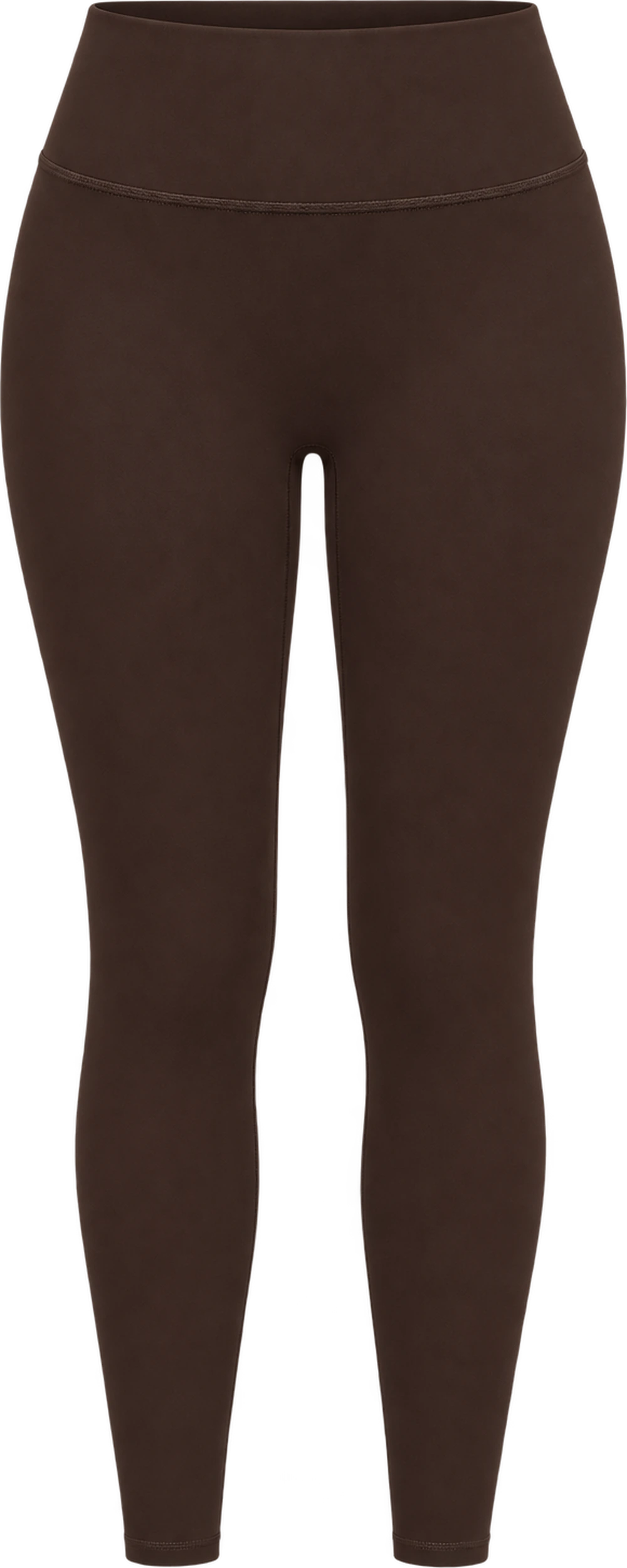
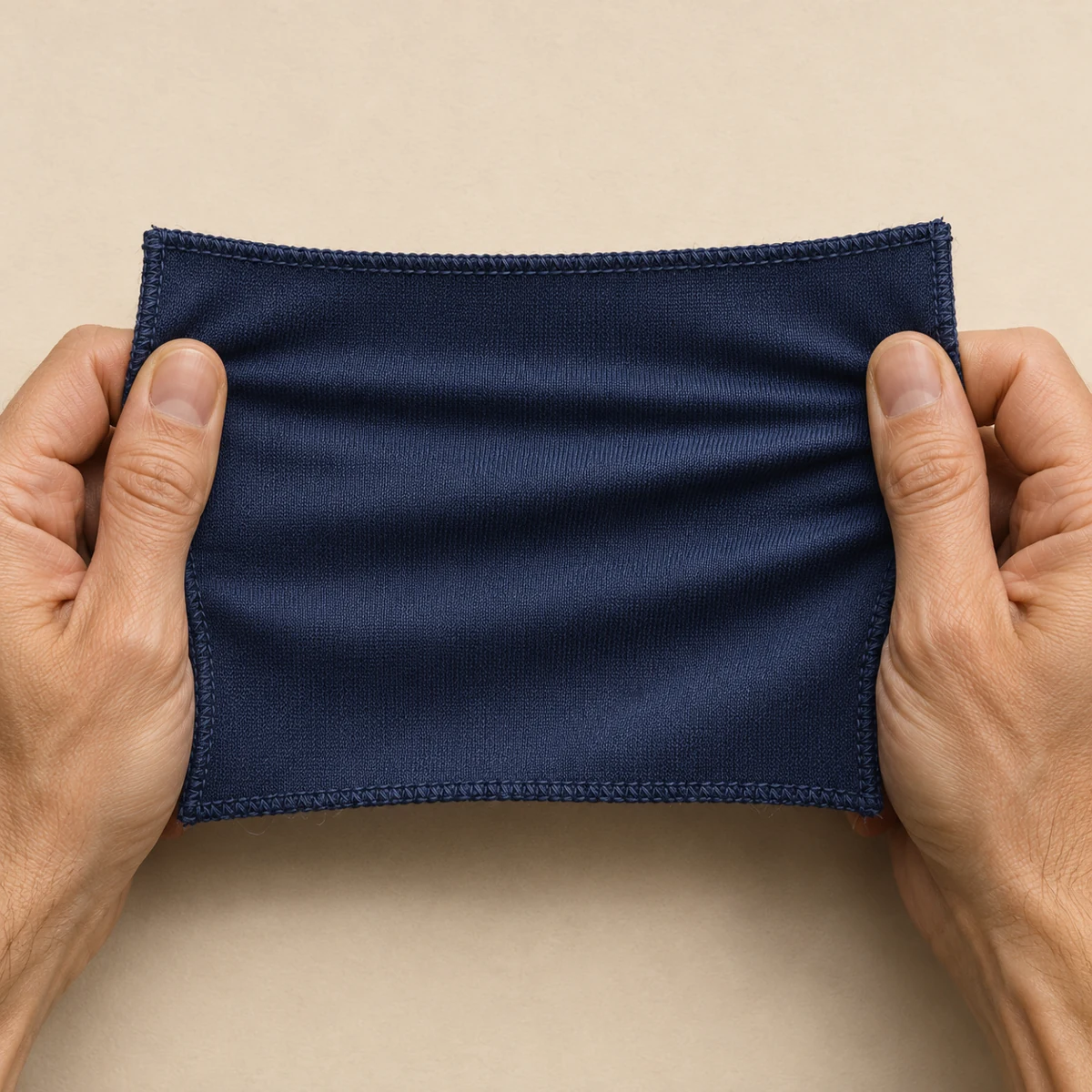
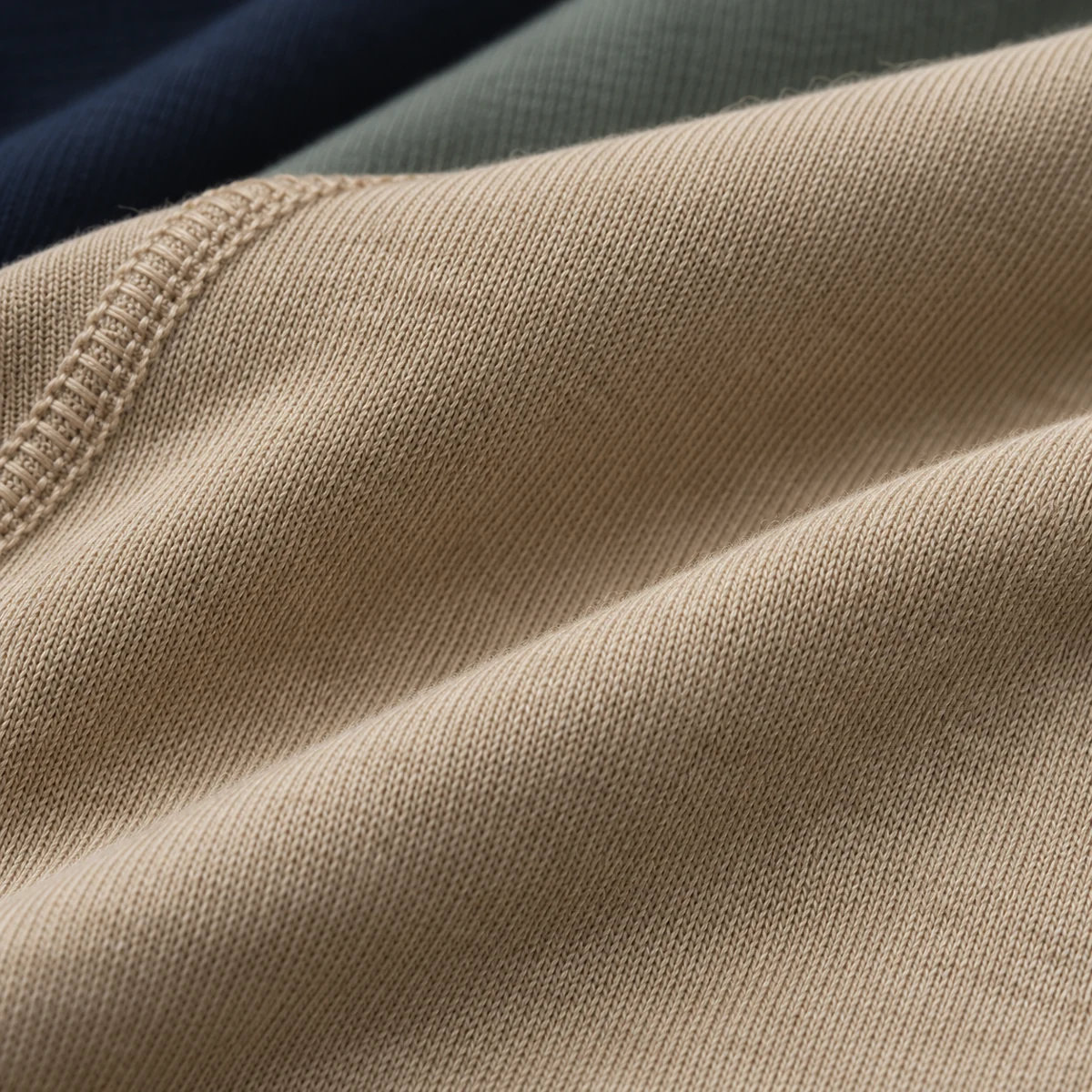
Custom colour development — fabric selection, digital reference and physical lab-dip approval. View colour references →
01 / A PLACE TO BEGIN
Choose Your Starting Point
You do not need to have every detail decided before starting. Choose the route closest to your project and share the information you already have.
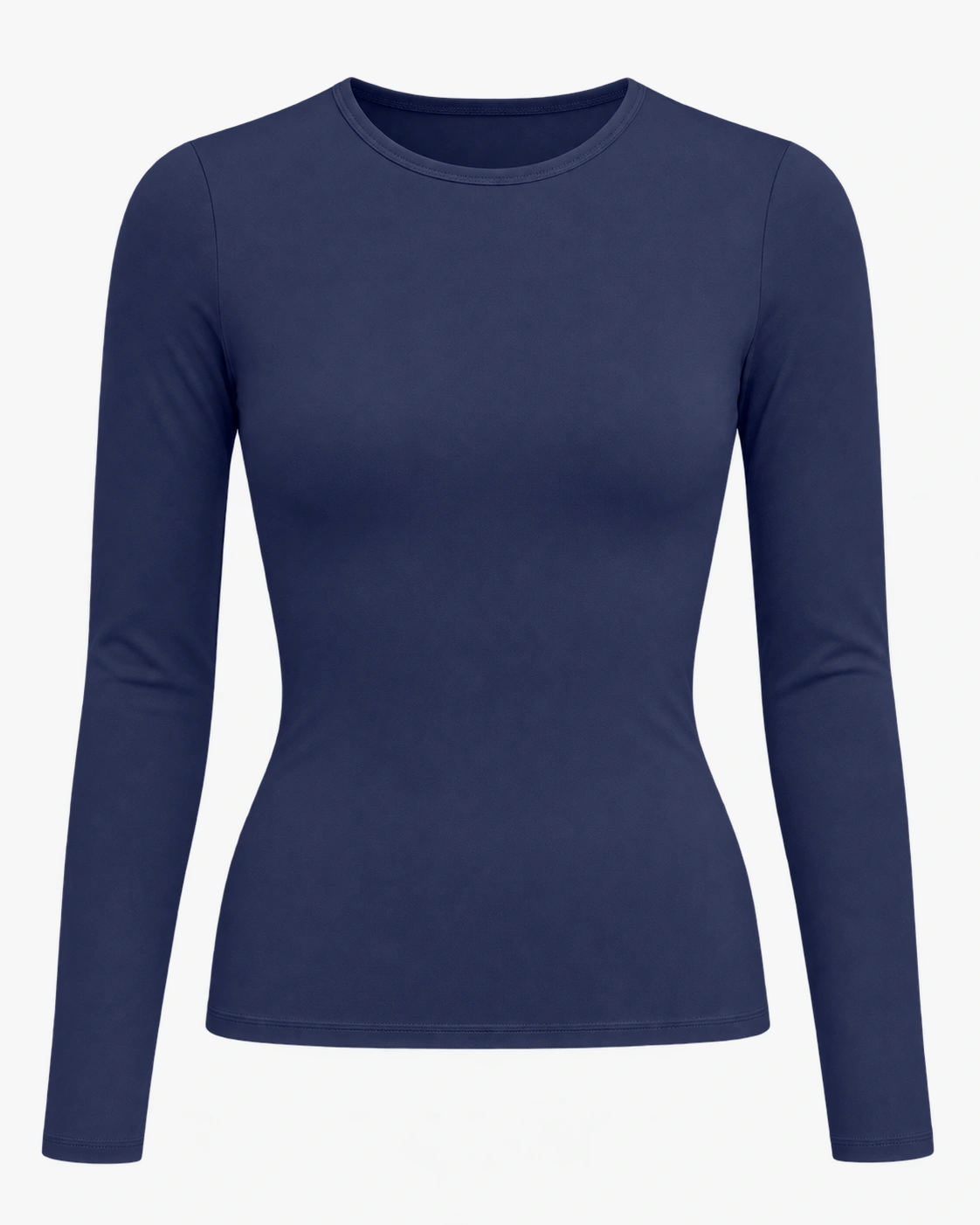
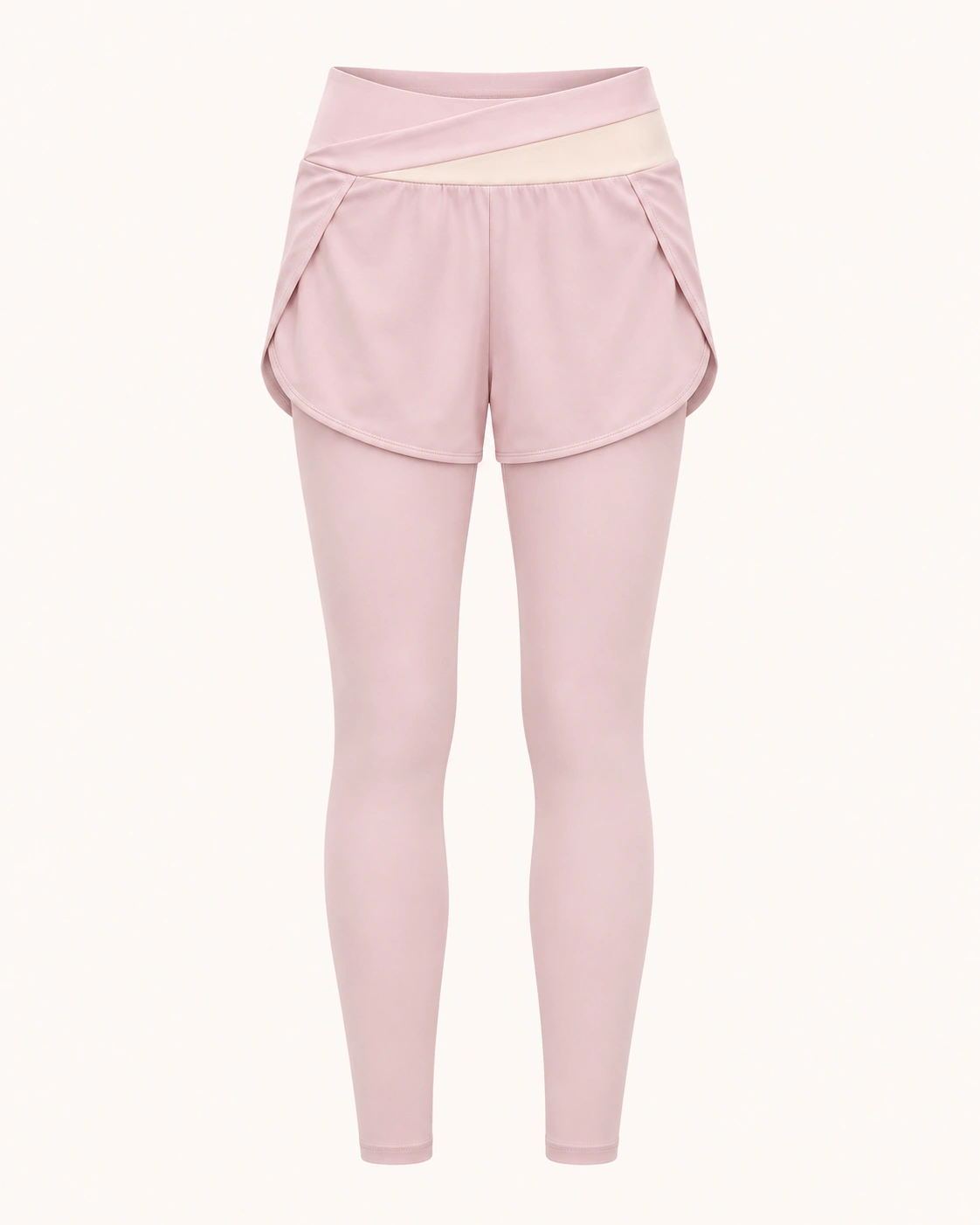
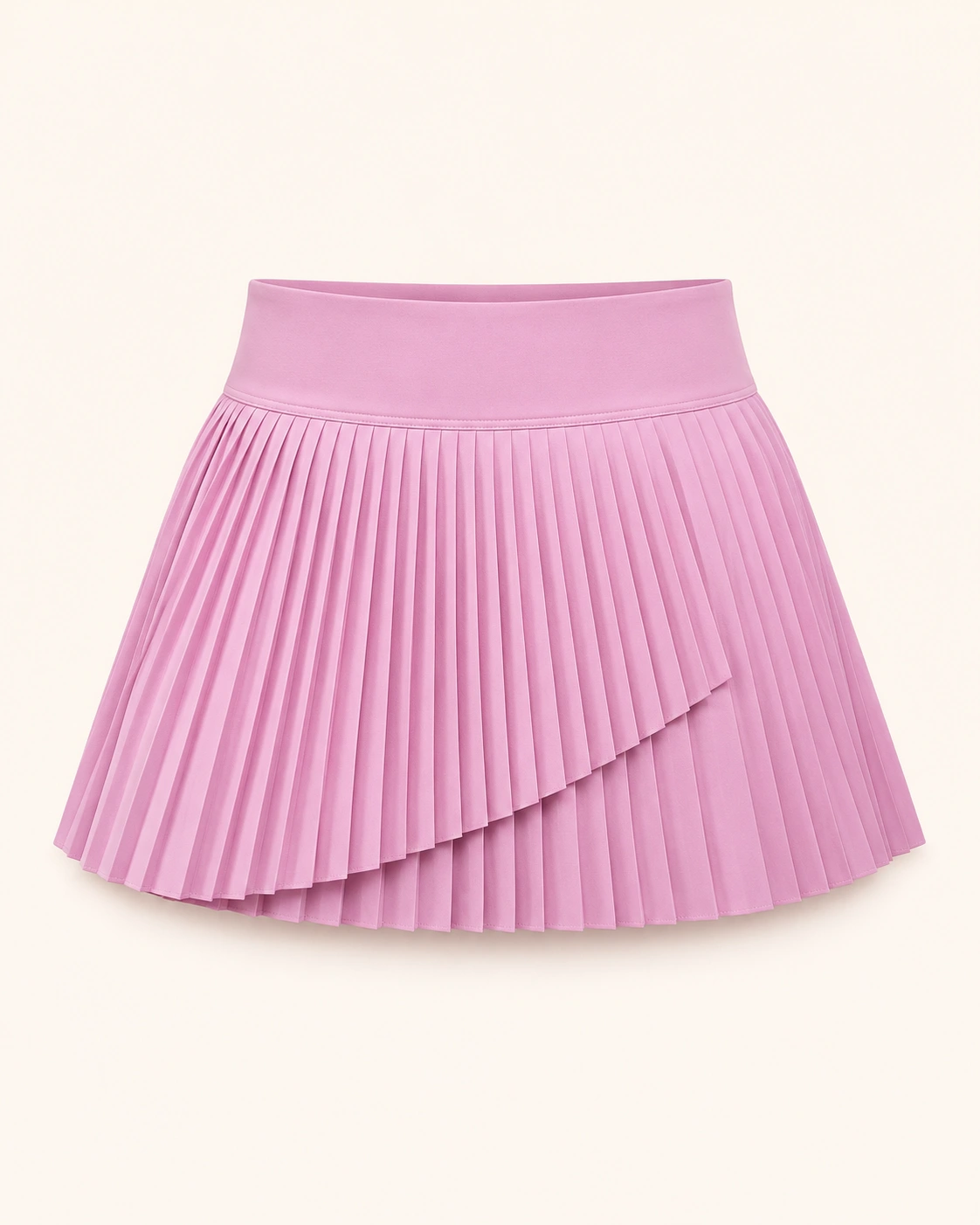
Start with a Catalogue Style
Compare distinct silhouettes, then share the styles, colours, sizes and quantities you want to review.
What to share
Style number, estimated quantity, preferred colours, required sizes and branding requirements.
Develop Your Own Product
Start with a tech pack, sketch, reference or written brief. Review material, fit, construction and sampling decisions.
What to share
Tech pack, sketch, reference sample, target market, intended activity and fit direction.
Refine a Sample or Plan a Reorder
Use an existing sample or approved specification to define changes, review material availability or prepare a repeat order.
What to share
Existing sample information, original SKU or order reference, modification list, required unchanged details and new quantity plan.
Reference samples, artwork and brand materials should only be supplied where the customer has the right to use them.
02 / THE COLLECTION TAKES SHAPE
Product Selection & Assortment Planning
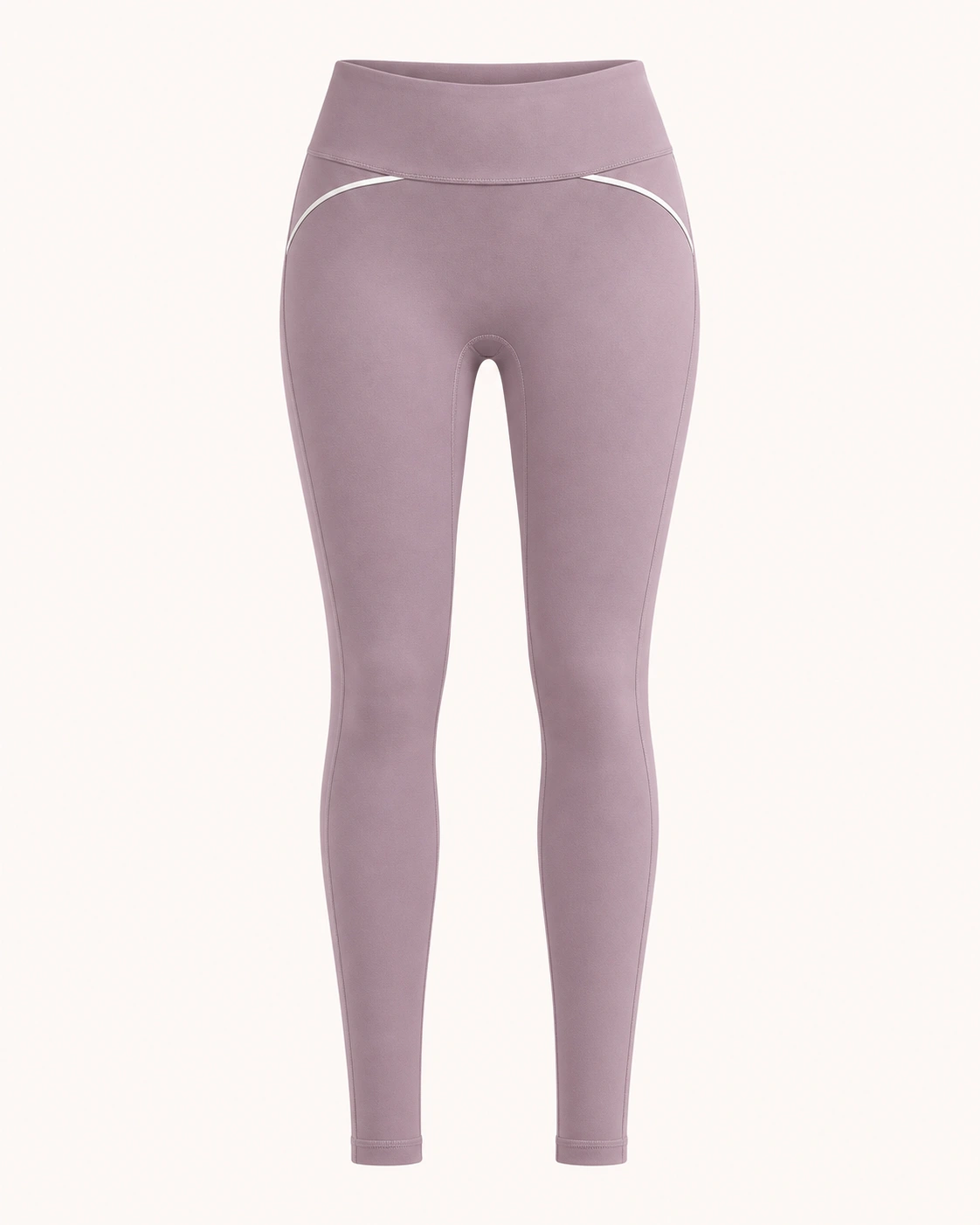
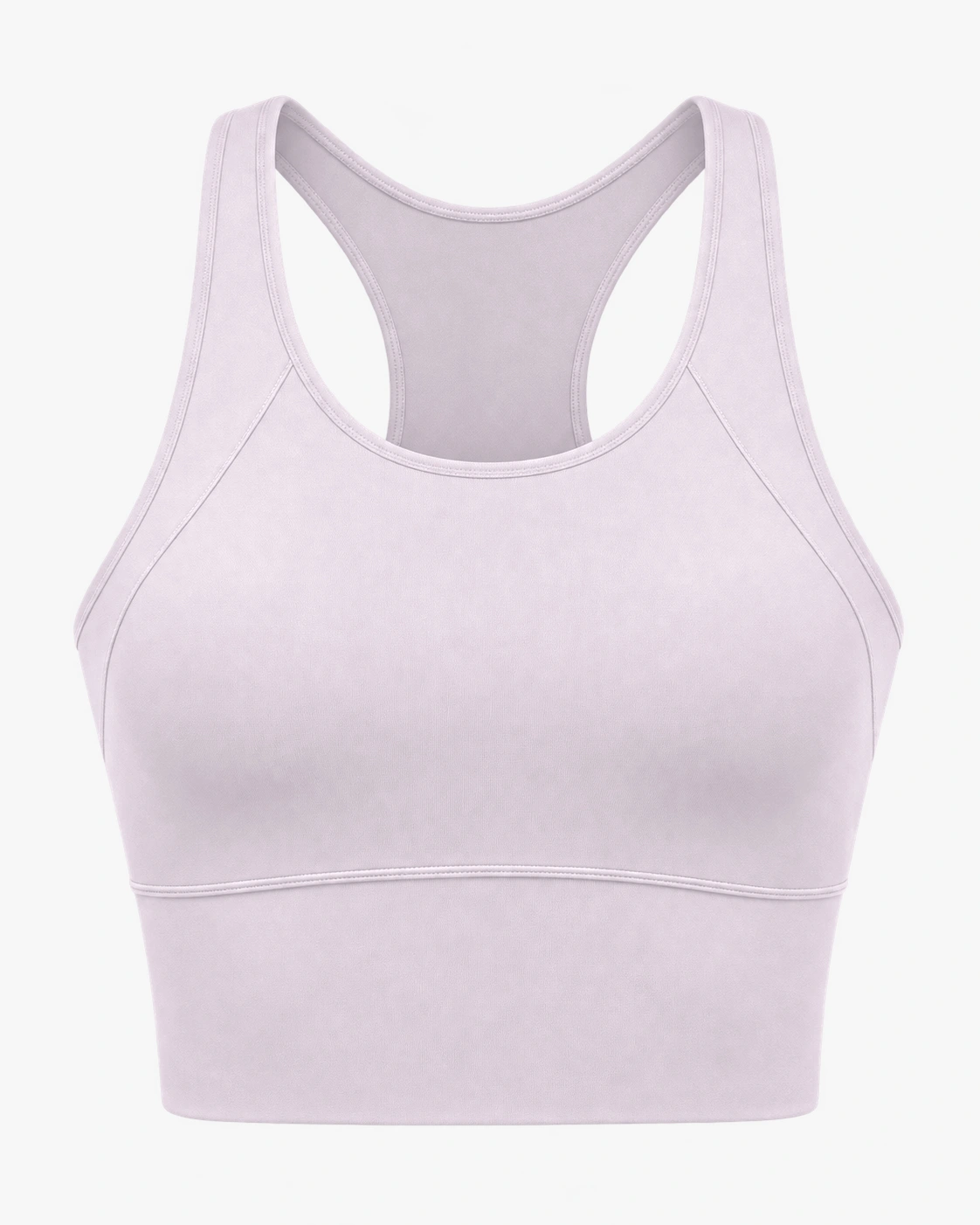
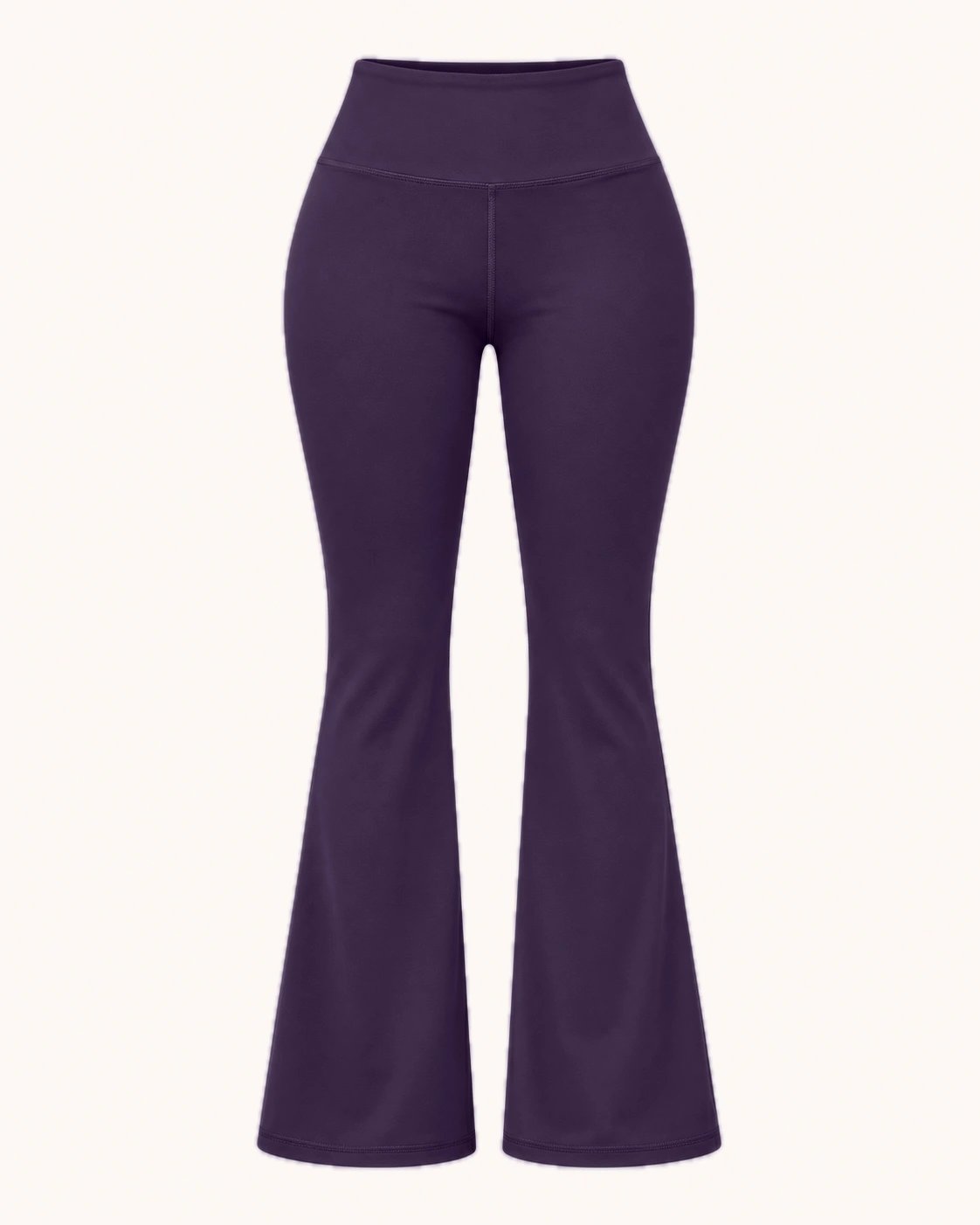
Build an assortment around your customer, intended activity and purchasing plan. Compare catalogue styles and organise the products, colours, sizes and quantities you would like to review.
Product Category Mix
Leggings, sports bras, tops, yoga pants, dresses and layers.
Colour & Styling Direction
Plan a palette and combinations; matching materials and colours must be verified before describing a coordinated set.
Size Requirements
Identify required sizes and review the measurement chart on the relevant product page.
Quantity Breakdown
Organise estimated quantities by style, colour and size.
03 / PROJECT DECISIONS
Material & Detail Selection
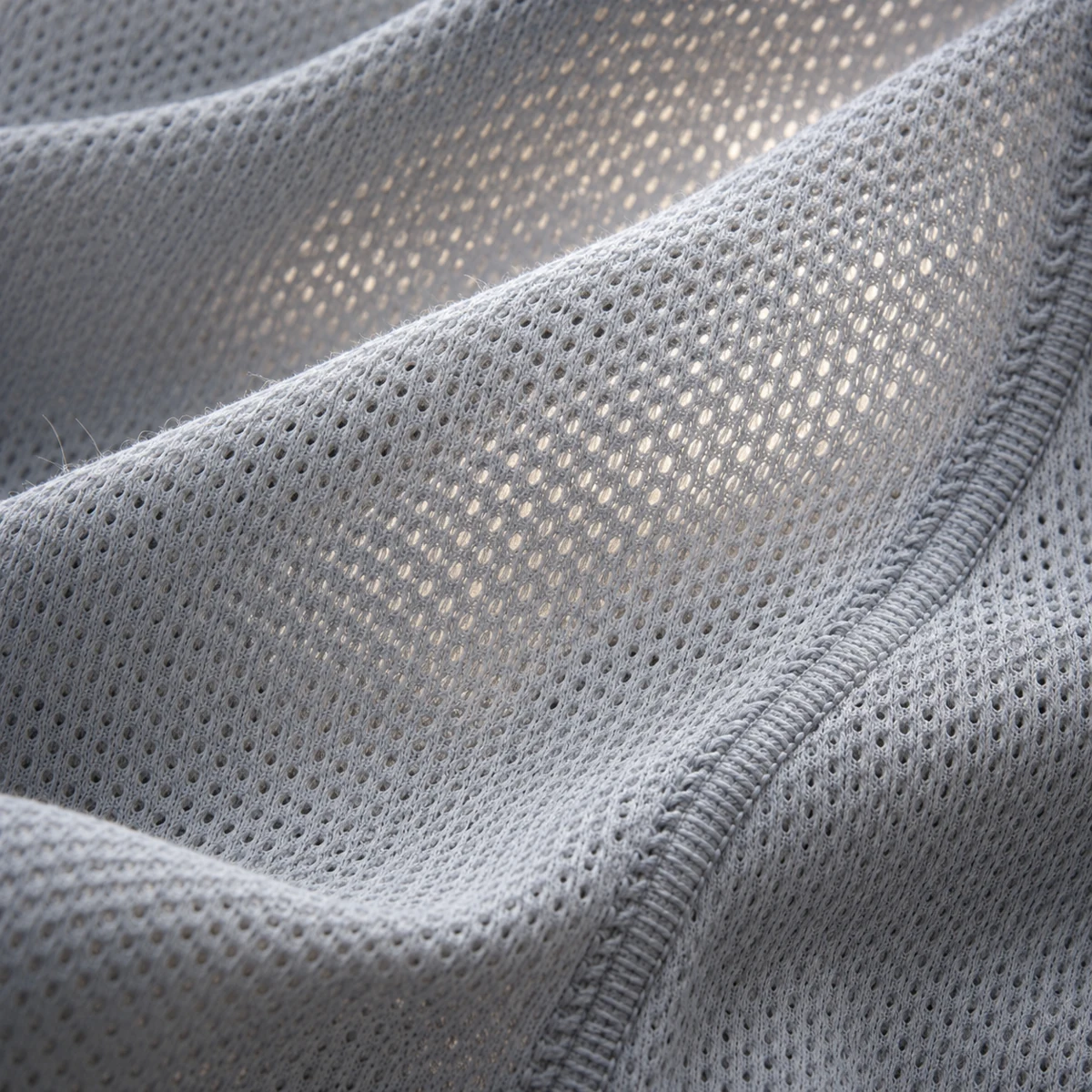
Review materials in relation to the selected product. Composition, weight, construction, hand feel, lining, mesh and trims should be confirmed together rather than selected from a fabric name alone.
Main Fabric
Composition, weight, construction and finish.
Lining & Mesh
Review each component independently.
Colour References
Identify the approved swatch or colour standard.
Trims & Components
Zips, elastic, drawcords and binding compatibility.
Performance Requirements
Define intended use and measurable acceptance criteria.
Performance requirements are reviewed for the selected material and finished garment. Test methods, acceptance criteria, costs and documentation must be agreed for the individual project.
04 / DEVELOP. REVIEW. APPROVE.
Sampling & Product Development
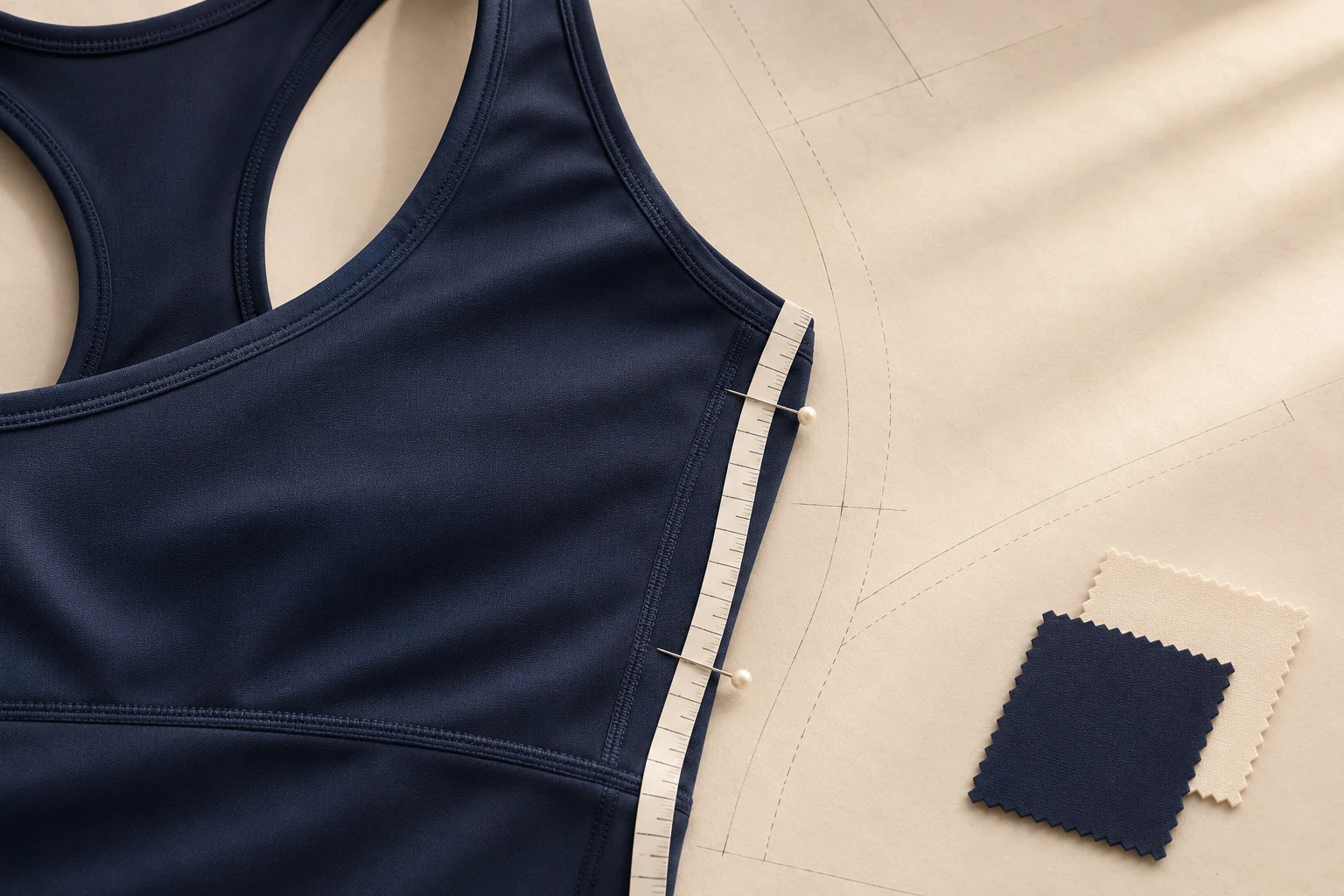
Use sampling to turn project requirements into an agreed product specification. Review fit, measurements, materials and construction before confirming the version intended for production.
- 01
Brief Review
Product type, intended use, size and fit direction, material, estimated quantity and development scope.
- 02
Sample Development
Round objectives, materials and trims, temporary substitutions, logo or label samples and sample version.
- 03
Fit & Detail Review
Measurements, fit and movement, construction, colour, logo placement and revision comments.
- 04
Specification Approval
Approved sample version, measurement chart, tolerances, main fabric, lining and mesh, labels and packaging.
Sample charges, revision scope and timing are confirmed before development begins. Differences between a development sample and proposed production materials should be recorded clearly.
05 / PROJECT DECISIONS
Private Label & Brand Presentation
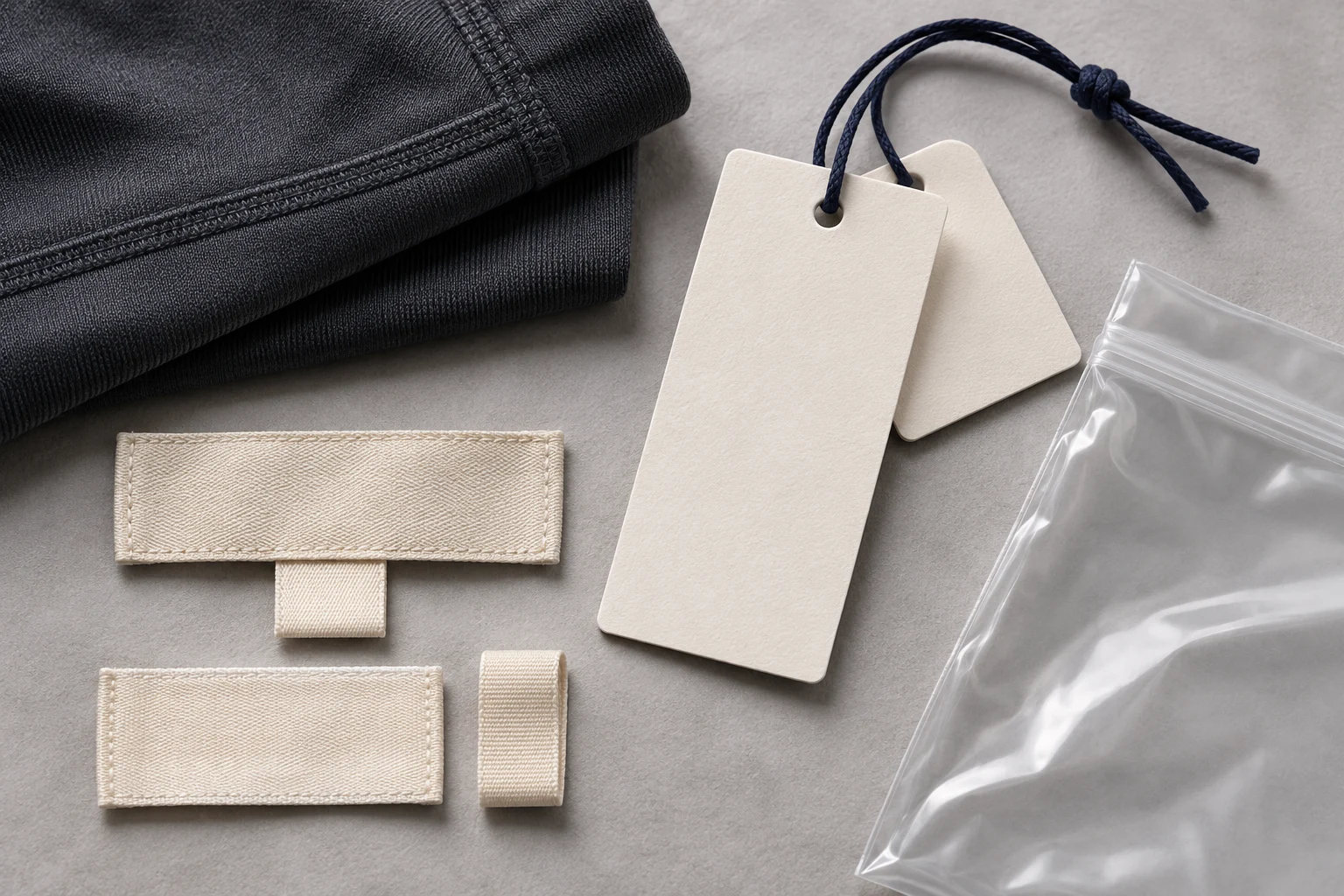
Bring your brand identity into the product through coordinated logo placement, labels, hangtags and packaging specifications.
Logo Application
Placement, size, colour, application direction and material compatibility.
Garment Labels
Main label, size, composition and care information.
Hangtags
Brand presentation, product information, barcode requirements and attachment method.
Packaging
Individual bags, stickers, size identification and carton requirements.
Starting quantities follow the shared order-route policy. Additional process minimums and costs require confirmation. Label wording, application compatibility and market requirements need project-specific review.
06 / PROJECT DECISIONS
Quality Requirements, Clearly Defined
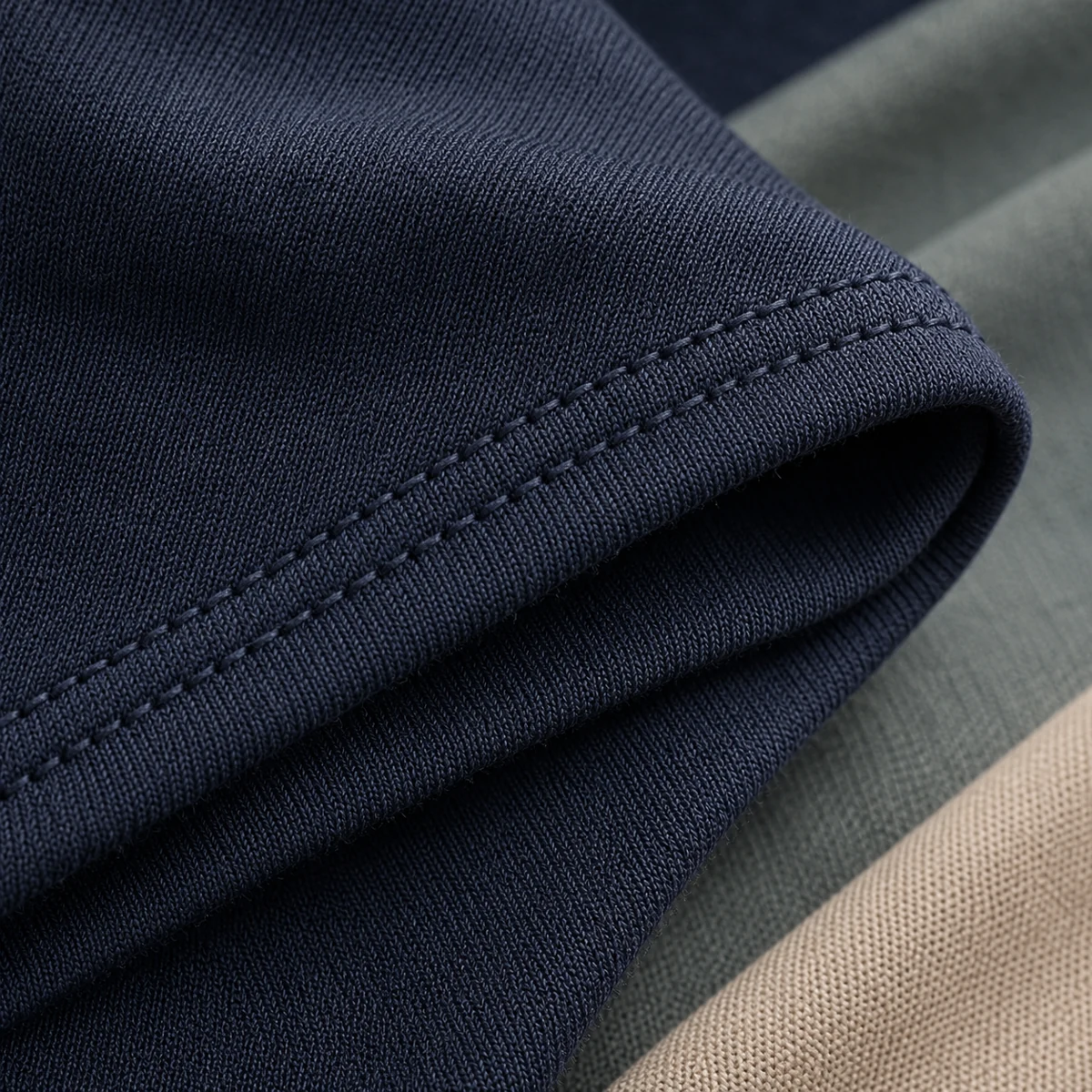
Agree on the specification and review points before production. Measurements, materials, workmanship, branding and packing should be checked against the same approved references.
Measurements & Fit
Measurement points, size chart, tolerances, sample version and size identification.
Materials & Colour
Main fabric, lining, mesh and approved colour swatch or sample.
Construction & Workmanship
Seams, stitching, panels, zips, pockets and actual garment details.
Branding & Labels
Logo placement, artwork version, label wording, size and composition information.
Packing & Quantity
Quantities by style, colour and size; individual packing and carton details.
Where performance testing is required, the method, sample selection, acceptance criteria, cost, documentation and responsible party must be agreed separately.
KEEP THE REFERENCES CONNECTED
Order Coordination & Reorder Planning
Order Confirmation
Quantity by style, colour and size; approved sample and specification; quotation inclusions; payment terms; schedule starting point; packing and dispatch requirements.
Reorder Review
Original SKU or order reference; current material and trim availability; unchanged specifications; required changes; need for new sample or colour approval. Repeat batches require colour review.
Dispatch Requirements
Destination country, delivery location, packing marks, required documents and agreed transport responsibility.
07 / BRING WHAT YOU KNOW
What to Prepare for Your Inquiry
Share the information you already have. Details that are still undecided can be reviewed during the project discussion.
- Product type or catalogue style number
- Target market and intended use
- Estimated quantity per style and colour
- Required sizes
- Material and colour preferences
- Logo, label and packaging requirements
- Desired delivery window
- Reference images, sketches or tech pack
08 / YOUR NEXT CHAPTER
Let’s Discuss Your Next Collection
Start with a catalogue style, a sample or a product direction. Record what matters to your brand before requesting a review.
What to prepare
Bring a style reference, estimated quantity, preferred sizes and colours, and any branding or sampling questions.
PREPARE A PROJECT DIRECTION
Give the next decision a clear place to start.
Choose styles and note the information to review. Your selections stay in a local draft until you submit an enquiry through a configured channel.
Build Your Project Brief ↗Review Quote List ↗