English company preview. Spanish editorial review is pending; this page is not indexed.
POSEOEM / COMPANY & PRODUCTION
Yoga Wear Development & Manufacturing in Xiamen
A self-owned yoga and activewear factory in Xiamen, China. Wholesale, light customization, OEM and ODM—built around your product requirements.
Founded 2017 · Xiamen, Fujian, China01 / COMPANY SNAPSHOT
A foundation for your next collection.
02 / GARMENT PRODUCTION PROCESSES
The work behind the wardrobe.
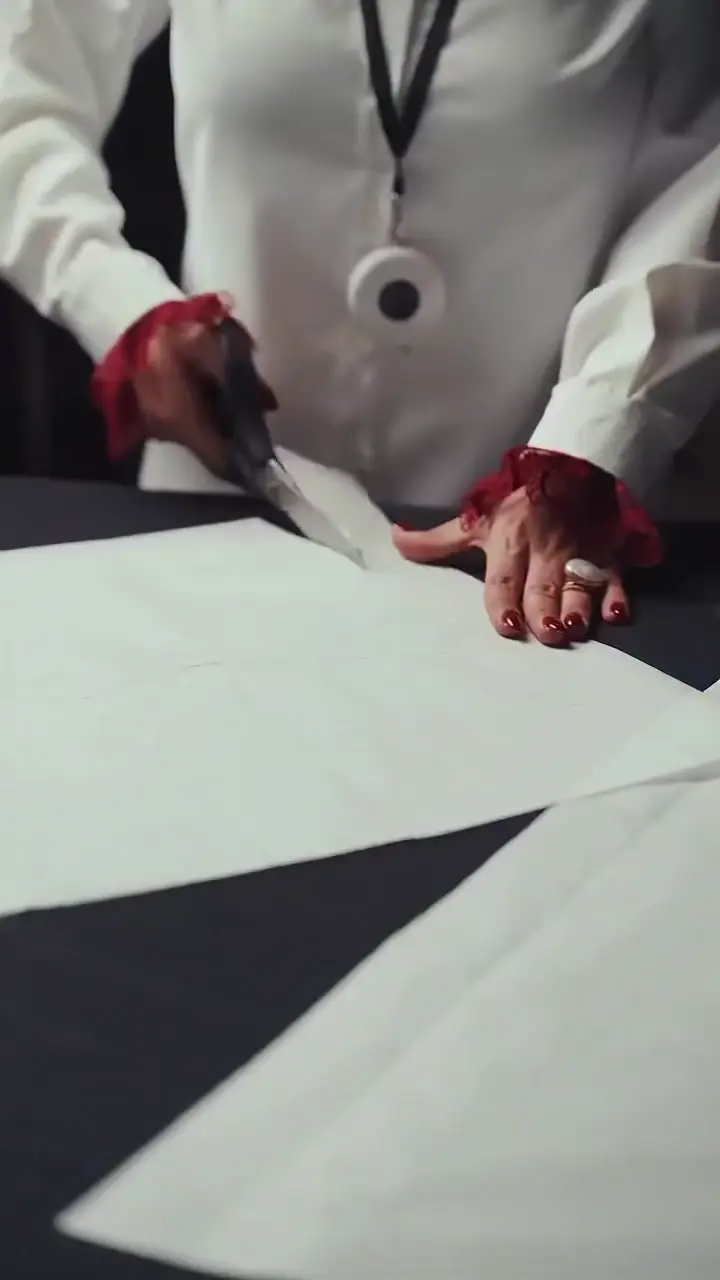
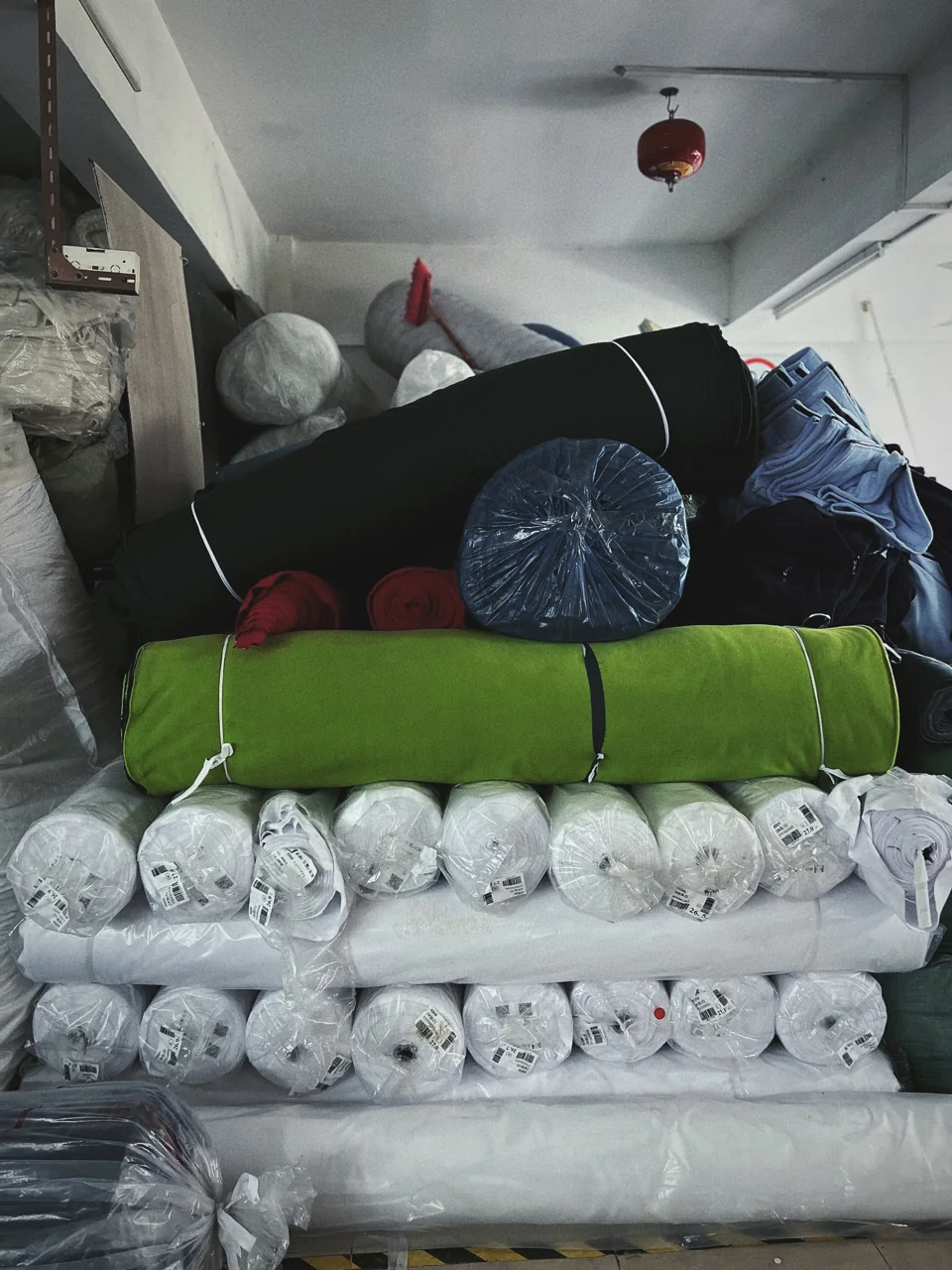
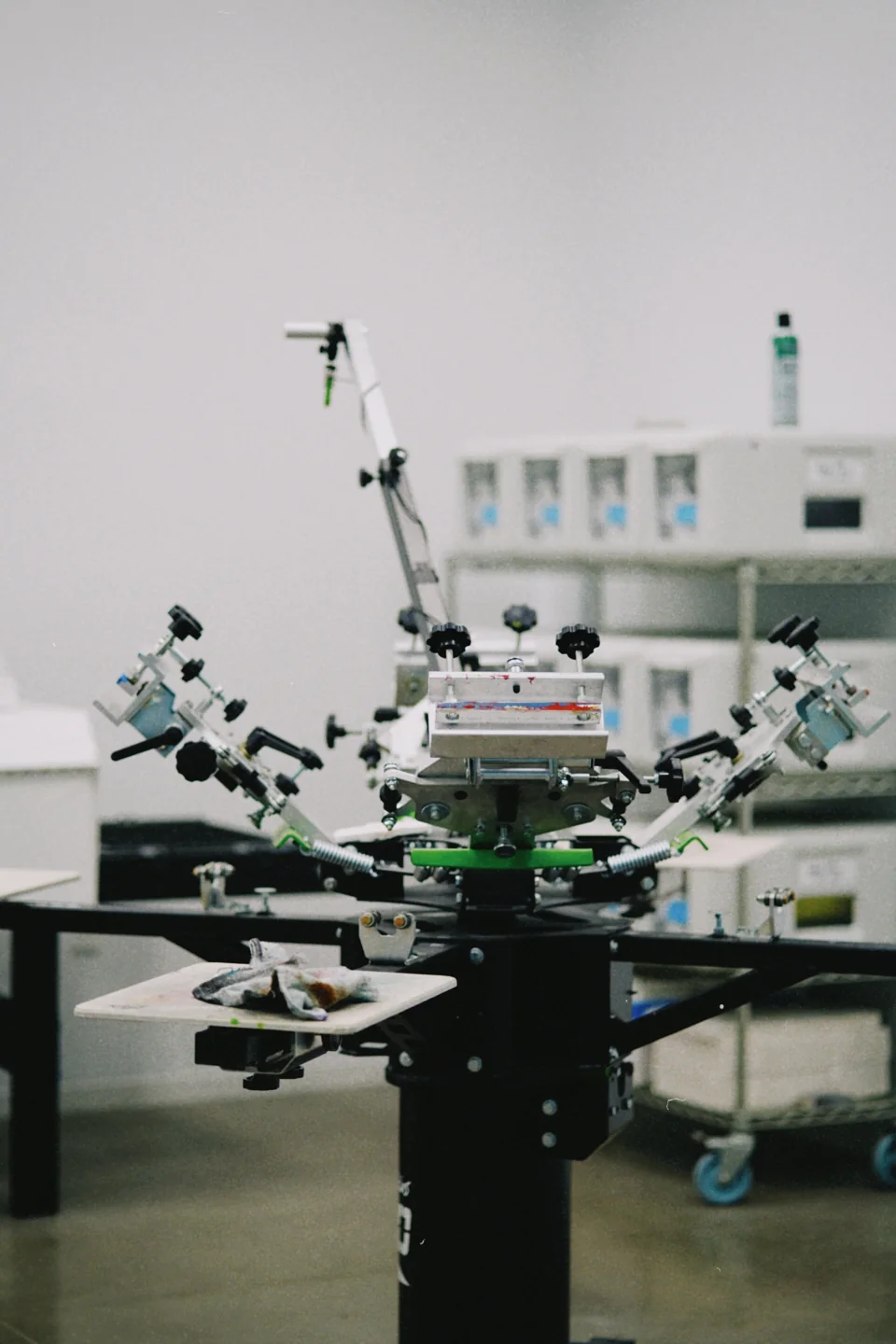
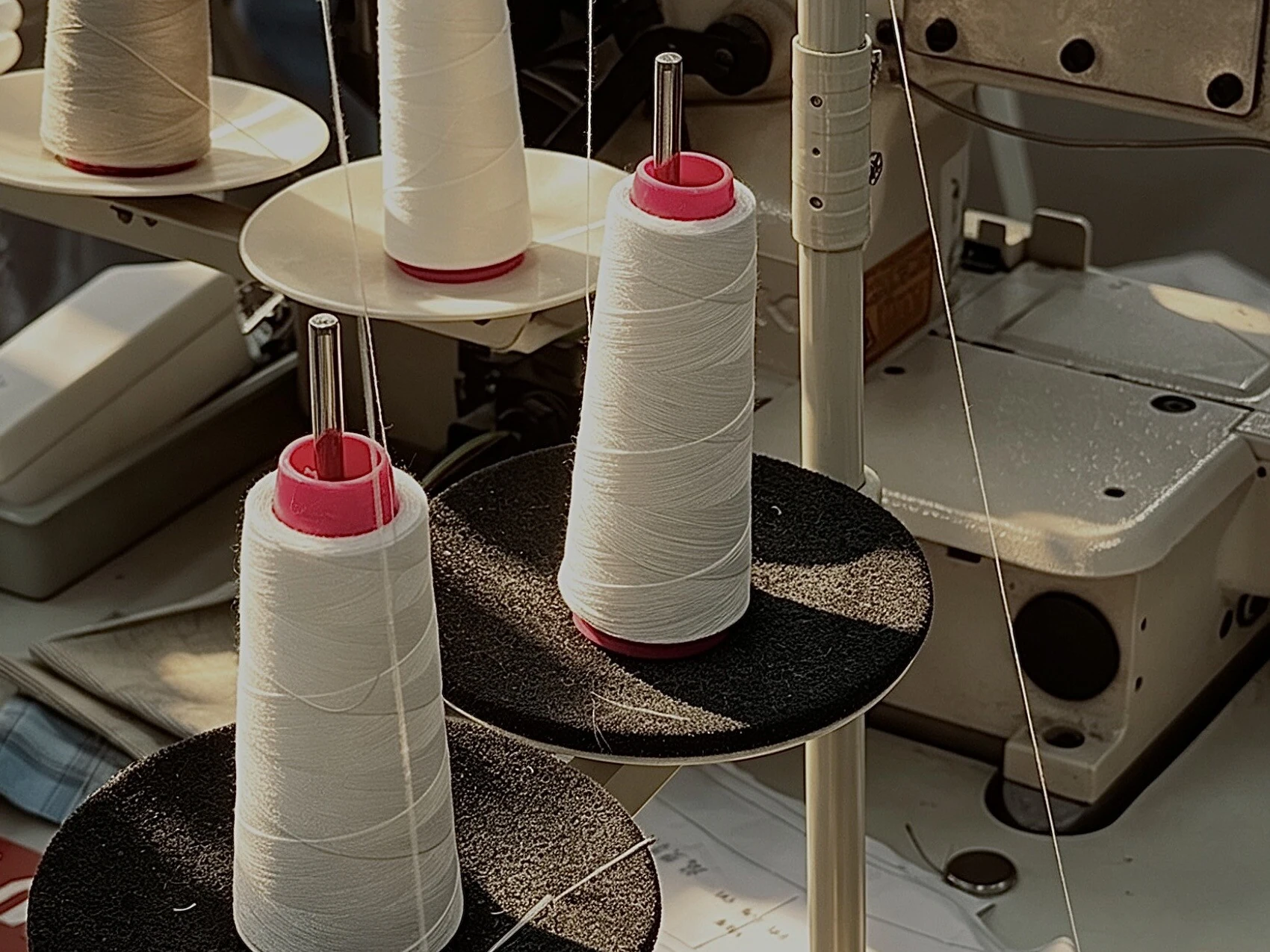
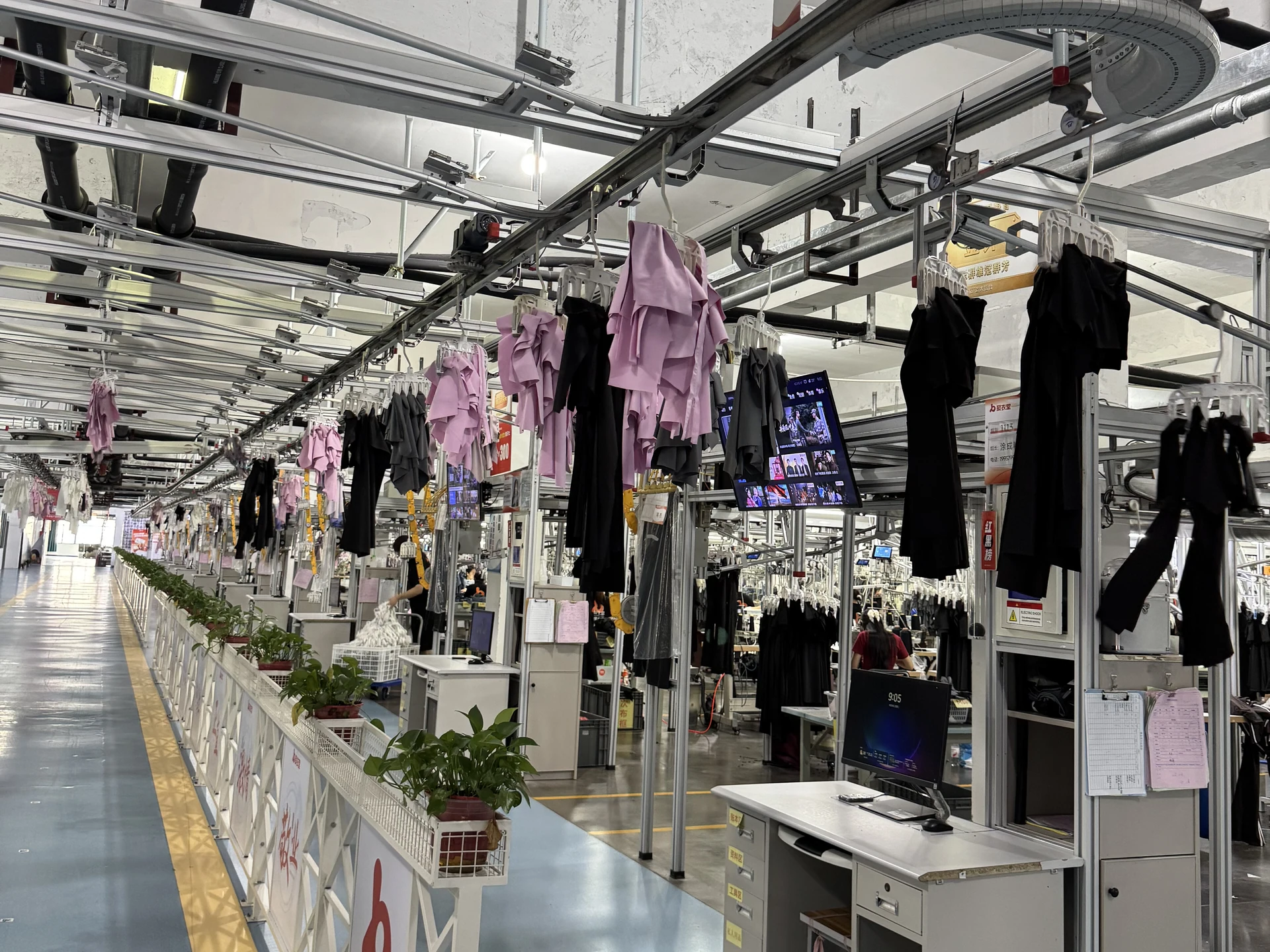
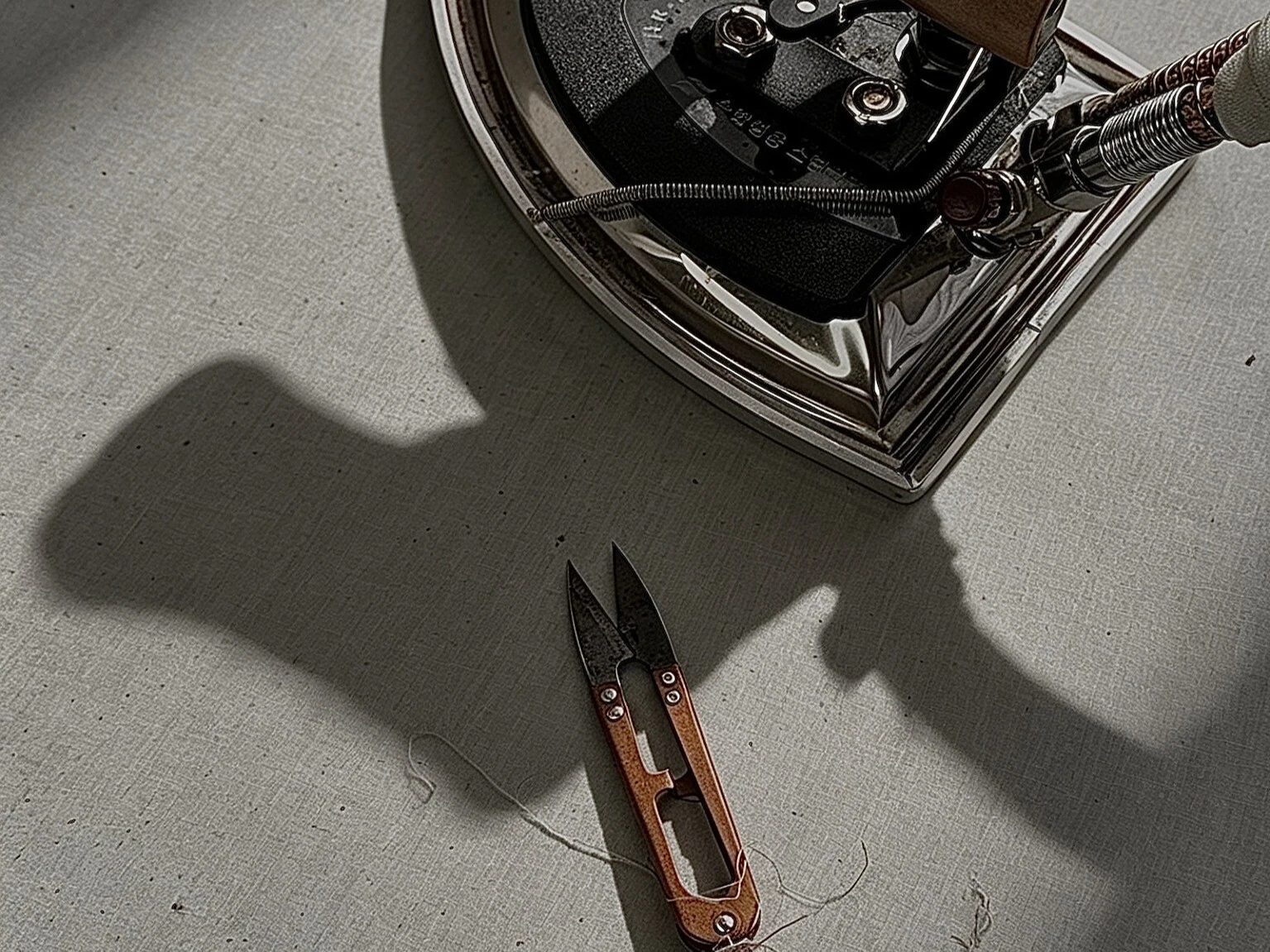
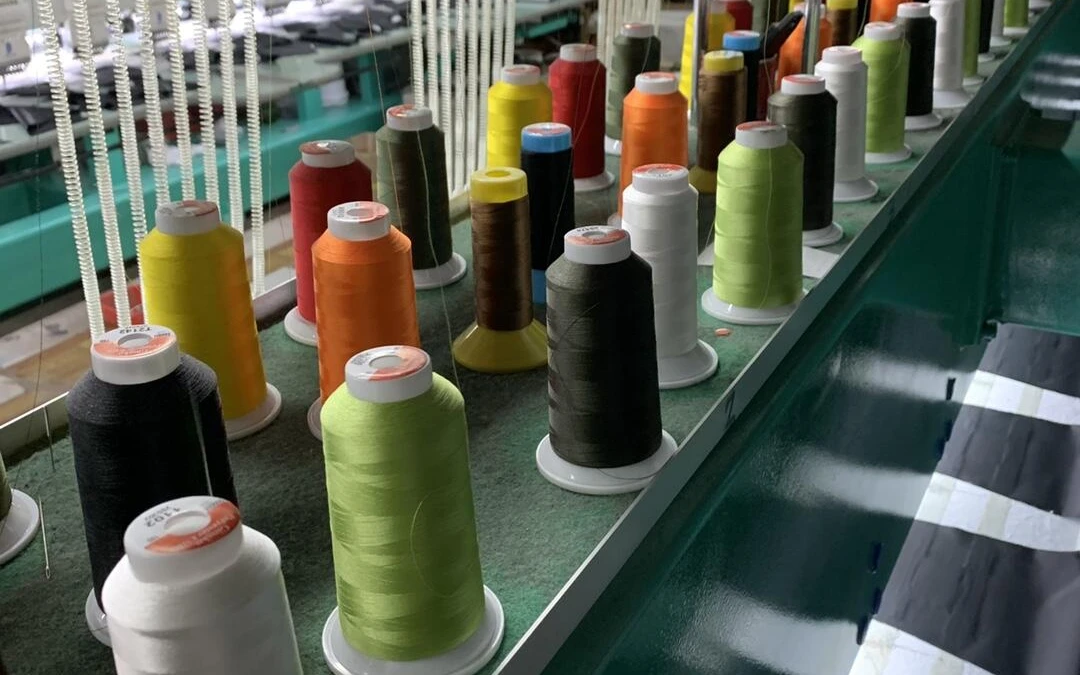
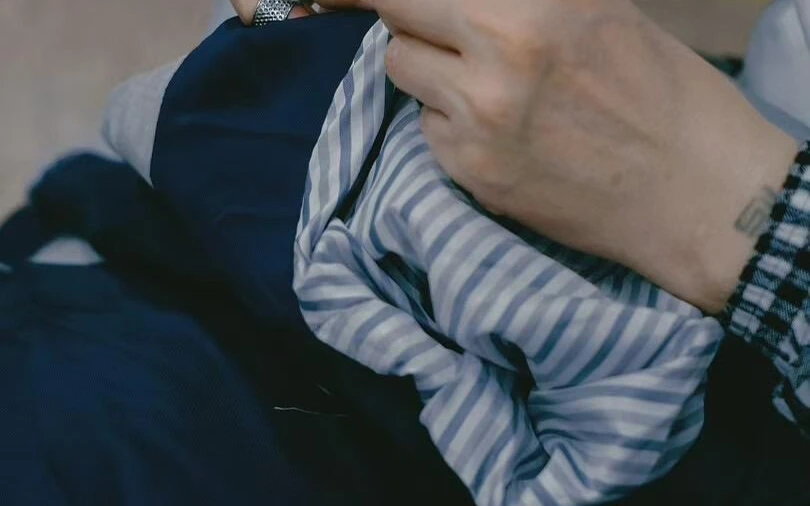
Materials, patterns and garment-making details. The supplied process photographs illustrate production steps and do not identify a specific facility.
03 / WHO WE ARE
Product knowledge. A practical starting point.
Yoga. Studio. Everyday movement.
Founded in 2017, POSEOEM supports yoga and women's activewear development through a self-owned production facility in Xiamen, Fujian, China. Our work connects product selection, material direction, fit, branding and order preparation.
For brands, wholesalers, distributors, private-label buyers and sourcing teams planning collections for the United States and Europe. Start with a catalogue reference, a sample, a Tech Pack or a product direction.
Find your starting point ↗04 / WHAT WE SUPPORT
Different starting points. A shared attention to detail.
01Light customization
Develop your identity on selected in-stock garments.
Bring: Logo artwork, label wording and packaging reference.
Confirm together: Application compatibility, artwork placement and final quantity.
Discuss this direction ↗02OEM development
Translate an approved technical direction into a garment.
Bring: Tech Pack, measurements, construction and material requirements.
Confirm together: Pattern scope, sample approval and production specification.
Discuss this direction ↗03ODM development
Build a collection from a product direction.
Bring: Target customer, silhouette references, market and intended use.
Confirm together: Development scope, fit priorities and approved sample.
Discuss this direction ↗04Fabric & colour development
Review material and colour as separate development decisions.
Bring: Composition, weight, handfeel reference and physical colour standard.
Confirm together: Mill requirements, dye lot, finish and sample validation.
Discuss this direction ↗05Branding & packaging
Connect garment identification to your retail requirements.
Bring: Care labels, hangtags, logo files and packaging brief.
Confirm together: Placement, process, wording, packaging method and final artwork.
Discuss this direction ↗05 / ORDER & CUSTOMIZATION OPTIONS
Choose the route. Confirm the details.
STARTING QUANTITY / Light Customization
100 pieces
Selected in-stock styles: care or wash-care labels, hangtag removal or customization, printed or heat-transferred logos, packing method and packaging replacement.
Available options are subject to the selected product, artwork and application process. Final style, colour allocation, size breakdown, fabric, branding, labels and packaging are confirmed per order. Mixed styles, colours or sizes are not automatically accepted; special materials, trims or processes may have separate minimums.
Discuss this order route ↗STARTING QUANTITY / OEM / ODM
100 pieces
OEM and ODM orders start from 100 pieces. Develop against a technical brief or review a product development direction.
Final style, colour allocation, size breakdown, fabric, branding, labels and packaging are confirmed per order. Mixed styles, colours or sizes are not automatically accepted; special materials, trims or processes may have separate minimums.
Discuss this order route ↗STARTING QUANTITY / Custom Fabric or Colour
1 dye lot · approx. 500 kg
Custom-dyed or specially developed fabric starts from one fabric dye lot, approximately 500 kg, subject to the fabric mill, composition, construction, colour and finishing requirements. This is a fabric minimum, not a fixed number of garments.
Garment yield depends on category, size ratio, fabric width, marker efficiency and cutting loss. No fixed piece conversion applies.
Discuss this order route ↗06 / DEVELOPMENT & PRODUCTION JOURNEY
Clear decisions. At every stage.
Review the applicable stages, approvals and responsibilities before work begins. Sample and production timing are confirmed per project.
01 / DEVELOPMENT JOURNEY
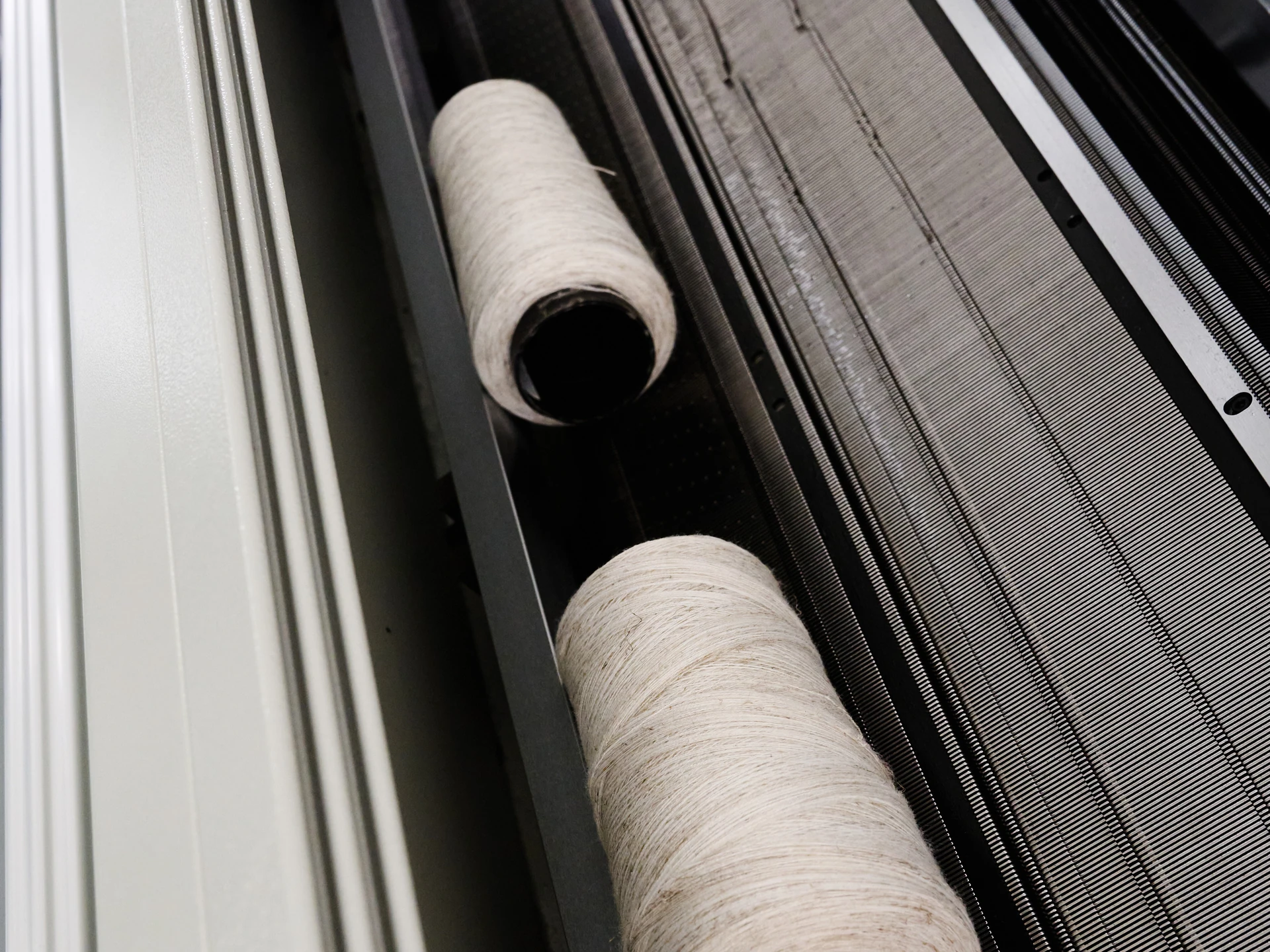
Product Brief & Material Selection
Connect the product idea to an assessable brief.
- Buyer input
- Product code or reference, target market, size direction, colours, quantity, artwork and timeline.
- Output
- A development direction and the information needed for sampling.
02 / DEVELOPMENT JOURNEY
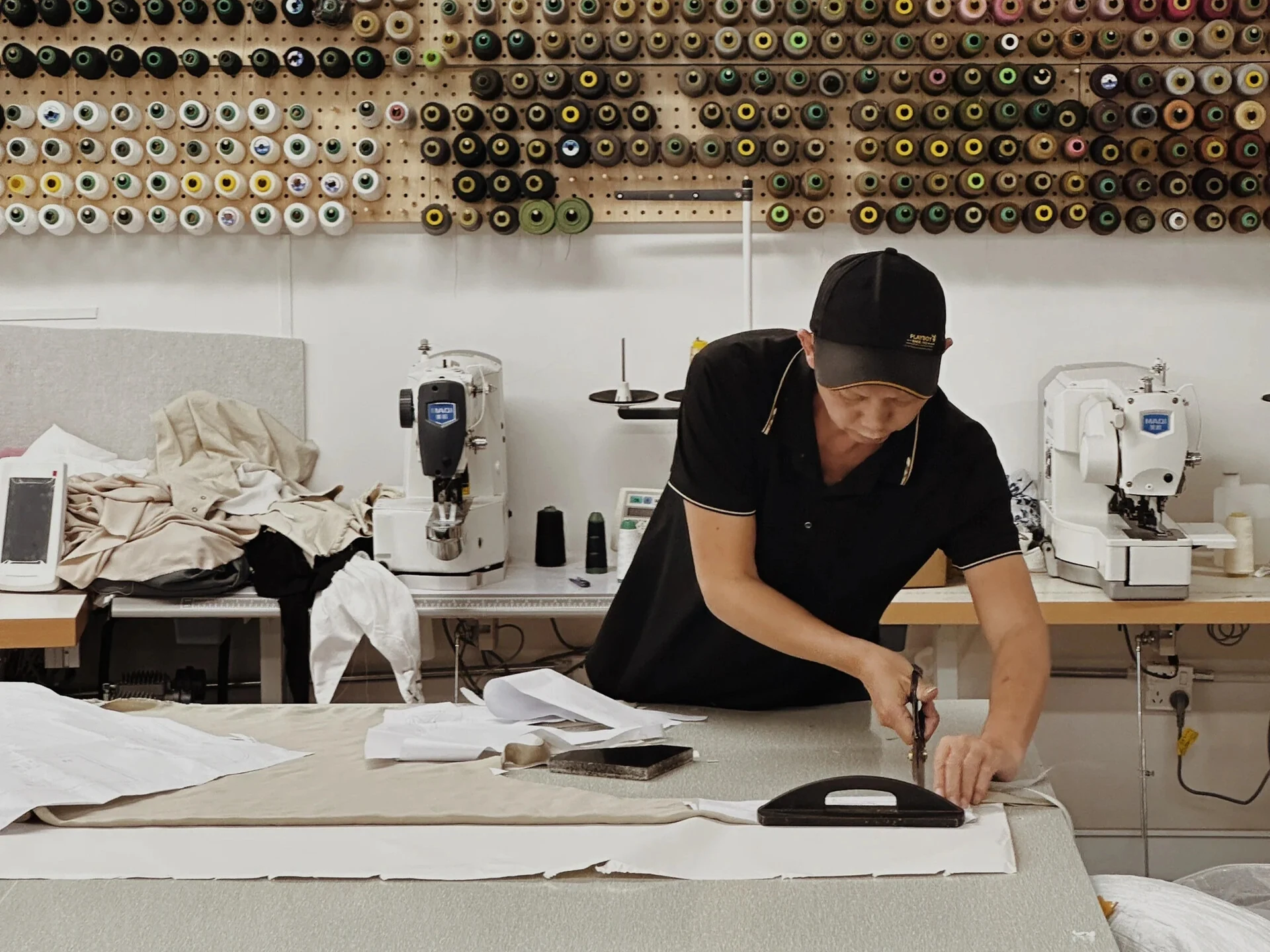
Pattern Development & Sampling
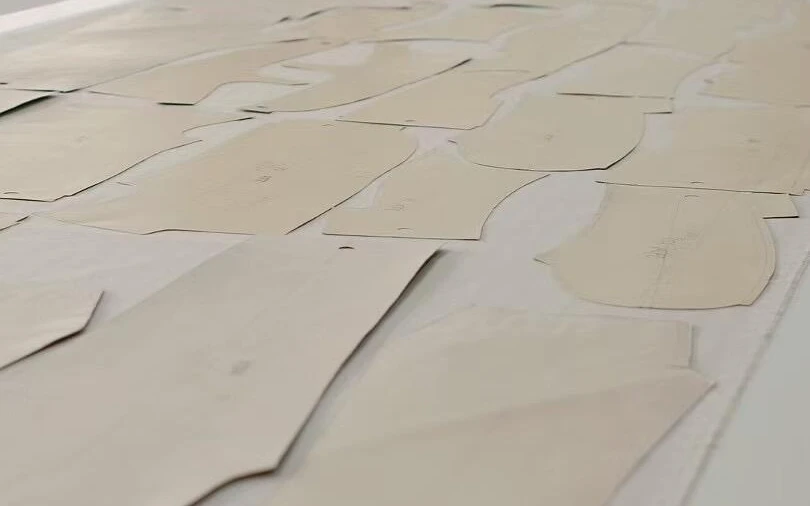
Review pattern, measurements, material and garment construction. Record sample feedback and revision requirements.
- Buyer input
- Tech Pack where available; fit priorities and measurement points.
- Output
- A sample revision record and specifications for approval.
03 / DEVELOPMENT JOURNEY
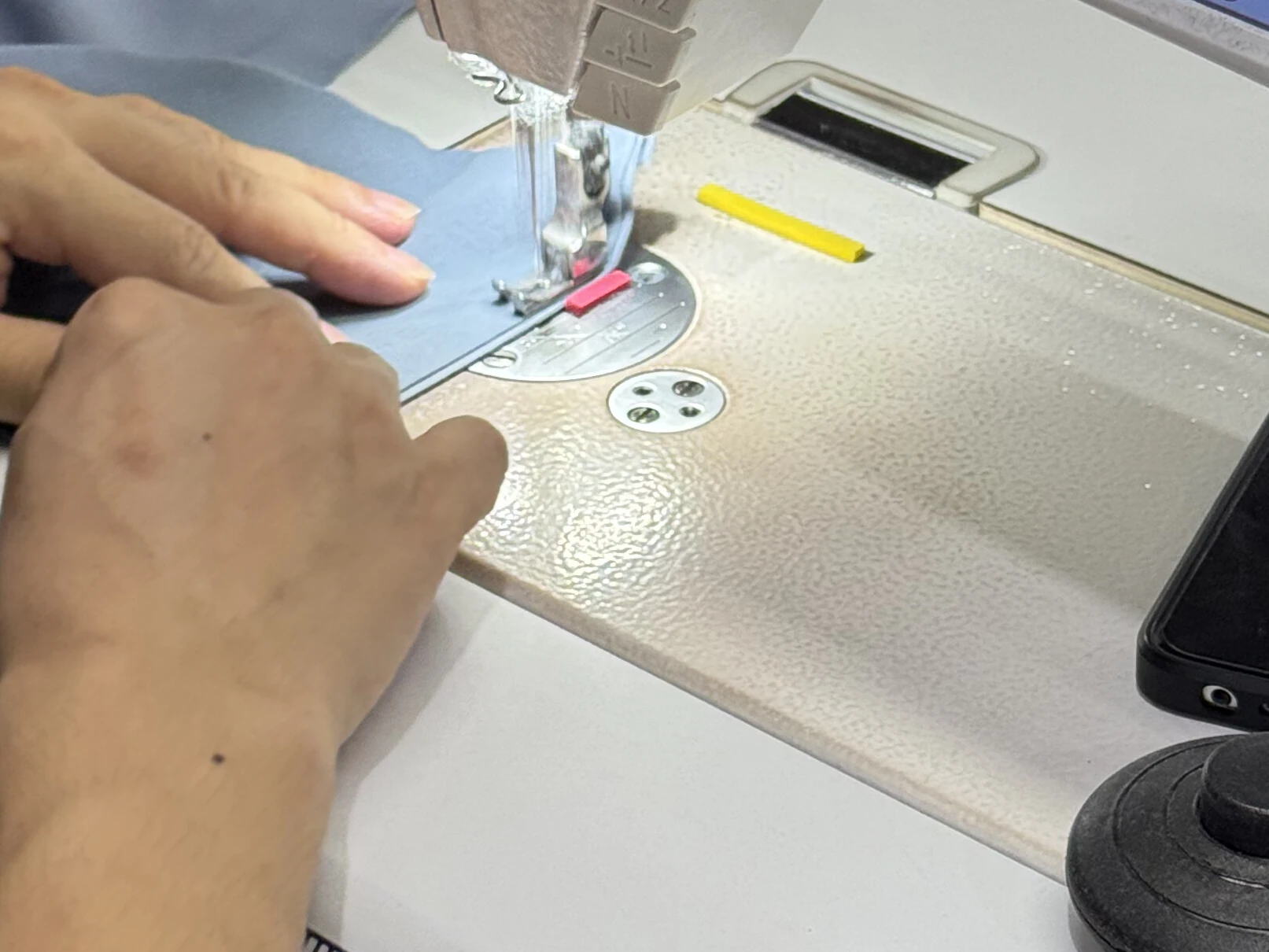
Cutting & Sewing
Prepare materials and cutting arrangements against the approved specifications. Agree construction and in-line workmanship checkpoints.
- Buyer input
- Approved sample, size breakdown and construction details.
- Output
- Agreed production references and workmanship checkpoints.

04 / INSPECCIÓN DE CALIDAD
Controles de calidad según la especificación aprobada
Los materiales, el color, las medidas, la confección, el marcado y el aspecto se revisan según la especificación aprobada para cada pedido.
- 01 — Especificación aprobada
- Confirmar la prenda, el material, el color, las medidas y los acabados acordados.
- 02 — Puntos de inspección
- Revisar las medidas pertinentes, los detalles de confección y los acabados visibles.
- 03 — Registro y resolución
- Registrar desviaciones y acordar la corrección o aprobación antes de liberar el pedido.
05 / DEVELOPMENT JOURNEY
Finishing & Packing
Confirm trimming, folding, size identification, barcode needs, individual packing, cartons and dispatch documents.
- Buyer input
- Packing instructions, identification artwork and destination requirements.
- Output
- An approved packing brief and dispatch coordination requirements.
07 / FABRIC & MATERIAL DEVELOPMENT
Material is a specification. And a conversation.
Review catalogue-linked main fabric, mesh and lining separately. Composition and recorded weight are a starting point; structure, finish and sample validation determine the next questions.
Elastane content does not establish four-way stretch. Polyester does not establish quick drying. Weight alone does not establish support, and equal compositions do not establish equal handfeel. Validate requirements with the selected material and garment sample.
Explore Fabrics ↗ See related project pathway →08 / QUALITY MANAGEMENT
An agreed reference. A considered review.
Quality requirements are reviewed according to the approved product specifications and order requirements. Inspection points may include material, colour, measurements, workmanship, branding, appearance and packing.
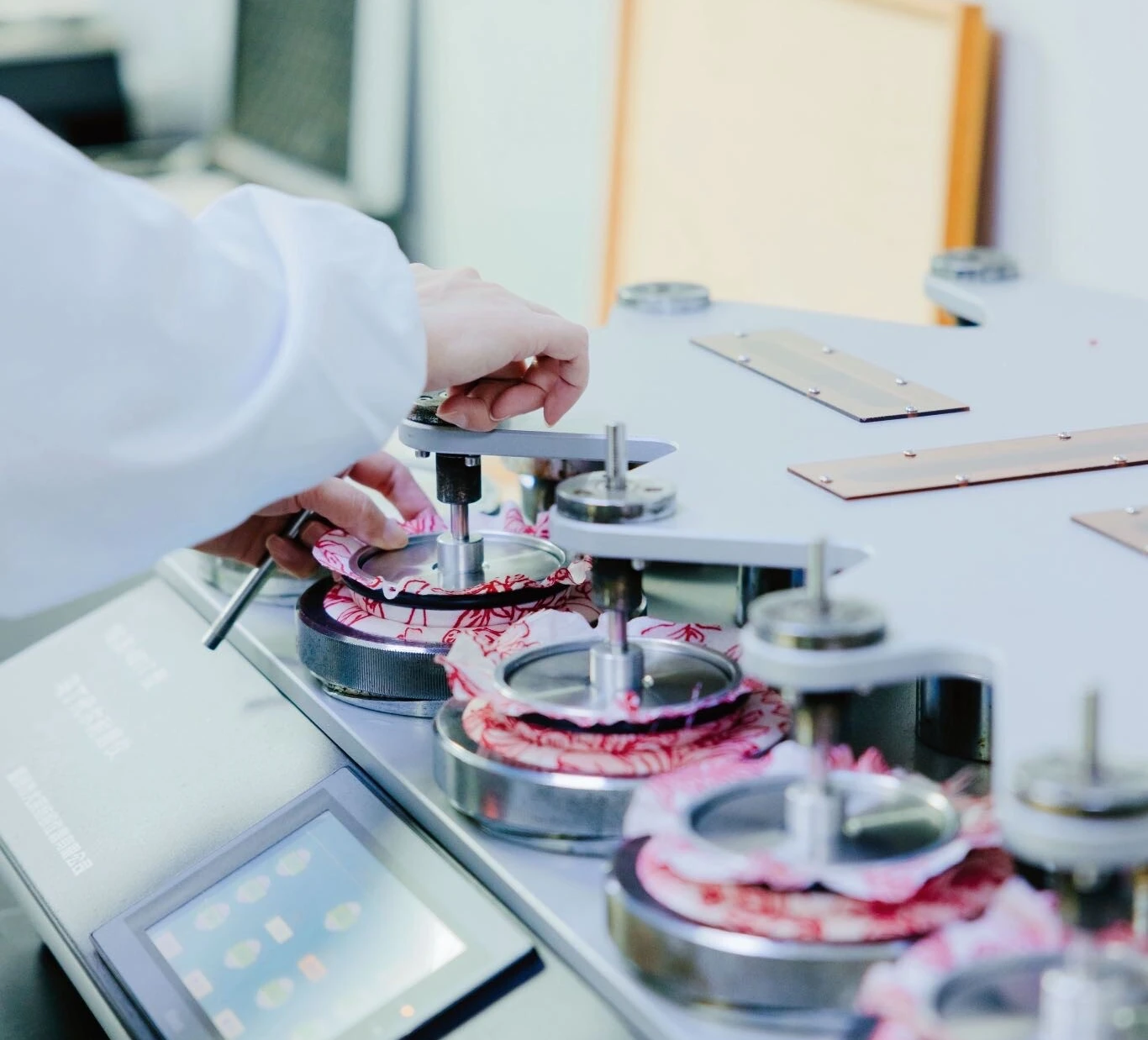
Agree the specimen, review method and acceptance criteria for the selected fabric.
- 01Material & Colour Confirmation
- 02Sample Specification Review
- 03Cutting Review
- 04Sewing & Workmanship Review
- 05Measurement Check
- 06Appearance Review
- 07Logo & Label Review
- 08Packing Confirmation
Inspection scope and acceptance criteria are confirmed per order. No certification, AQL level or third-party testing coverage is implied.
See related project pathway →09 / CONSTRUCTION & SAMPLE APPROVAL
How We Review Activewear Fit and Construction
A worn sample makes fit questions visible. Explore the waistband, front panel and back coverage of catalogue style JYJK026.
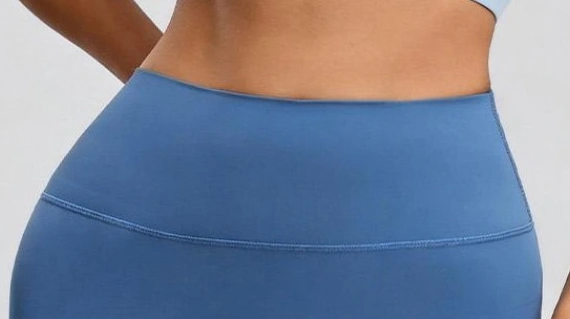

01 / Waistband / JYJK026
Fit Starts with the Whole Waistband System
When a band rolls in a forward fold, check where the back waist sits before tightening the elastic. The band, the rise and the hip panel share the load. Adjusting one changes how the others sit.

02 / Seam Comfort / JYMA152
A Performance Seam Must Work from Both Sides
A raised seam can rub at the hip even when the outside looks smooth. Compare its location, bulk and extension with the surrounding knit. A no-front-seam design begins with the pattern architecture and the way the front panels are cut.

03 / Neckline & Straps / JYJN056
Clean Edges Depend on Accurate Ratios and Controlled Feeding
If an opening gapes after a reach, check its pattern length against the length of the applied edge. Strap angle, binding width and feeding can each change where the neckline rests.

04 / Hems / JYMQ068
A Clean Finish Still Needs Room to Move
A fitted short needs an opening that extends with the thigh. A pleated skirt needs an even hanging edge and enough overlap in stride. Review each hem in the shape and fabric in which it will be worn.
Construction reference
How a Stitch Supports a Specific Product Detail
Construction is selected according to product structure, fabric and approved sample. The same stitch may perform differently when material, location or machine settings change.
Waistband to body
CONSTRUCTIONCurved band-to-panel join

Sports bra underband
CONSTRUCTIONAttached lower band

Crew neck opening
CONSTRUCTIONBound neckline

Fitted shorts opening
CONSTRUCTIONStitched leg hem

Pleated skirt waist
CONSTRUCTIONPleats set into the waistband

Long sleeve opening
CONSTRUCTIONFinished cuff edge
10 / FROM CONSTRUCTION TO PROJECT REVIEW
How Product Details Guide Development
Three project review pathways showing how fit, colour and construction decisions move from sample questions to production records.
Project framework — details pending final approval.
Inclusive Size Development
QuestionHow should rear-waist coverage and seam extension change across fitting sizes?
- Fit Review
- Pattern Update
- Repeat Fitting
Multi-Style, Multi-Colour Delivery
QuestionHow can one colour direction remain coordinated across different fabrics and product styles?
- Material Match
- Colour Approval
- First-Piece Check
After-Sales & Repeat-Order Review
QuestionHow should a seam or construction issue be traced before the next production batch?
- Identify
- Compare
- Update
11 / CATEGORÍAS DE PRODUCTOS
Crea una colección con intención.
Explora modelos del catálogo en nueve categorías. Elige siluetas complementarias y revisa sus tallas, materiales y necesidades de desarrollo.
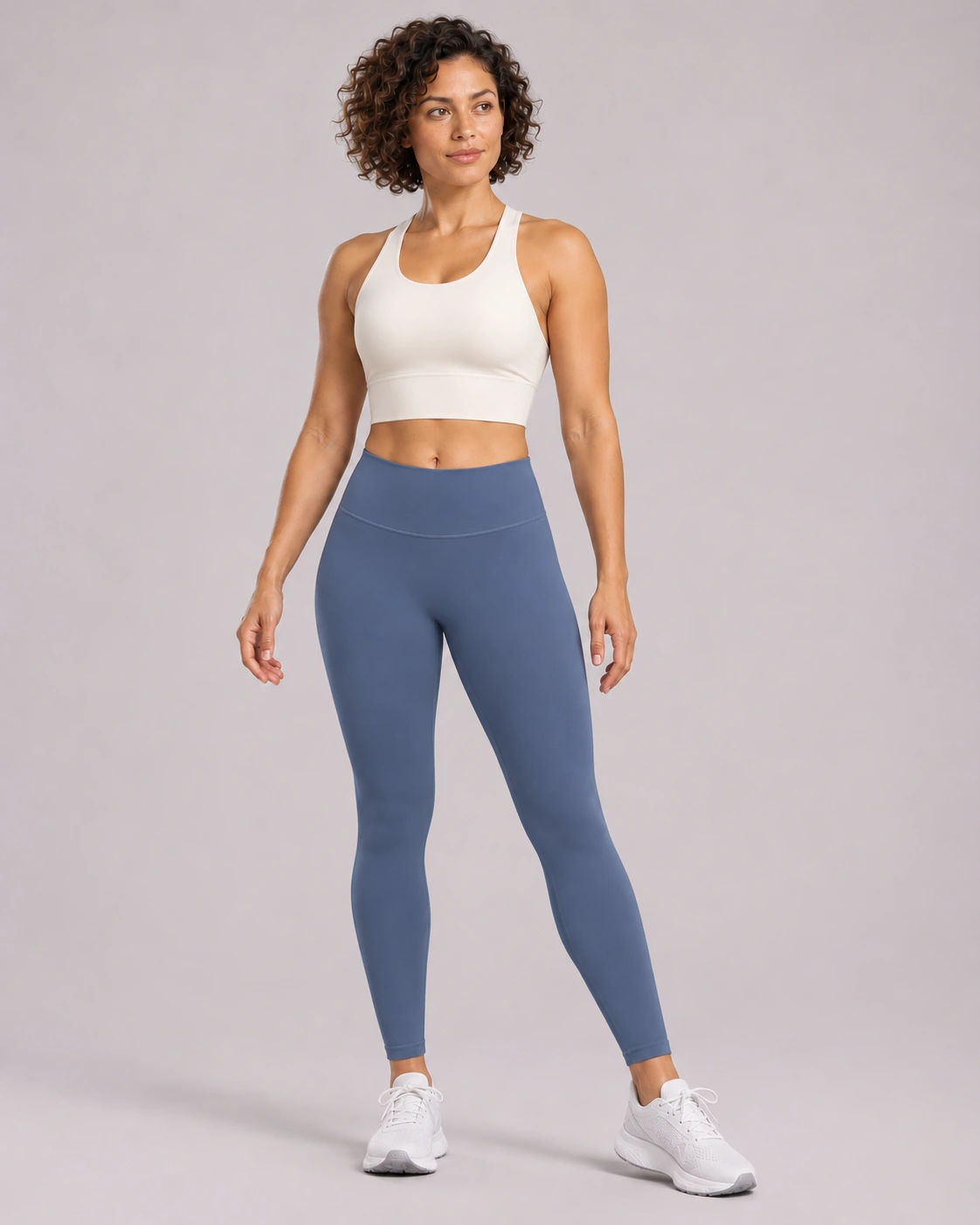
Leggings ↗
JYJK026 · Referencia del catálogo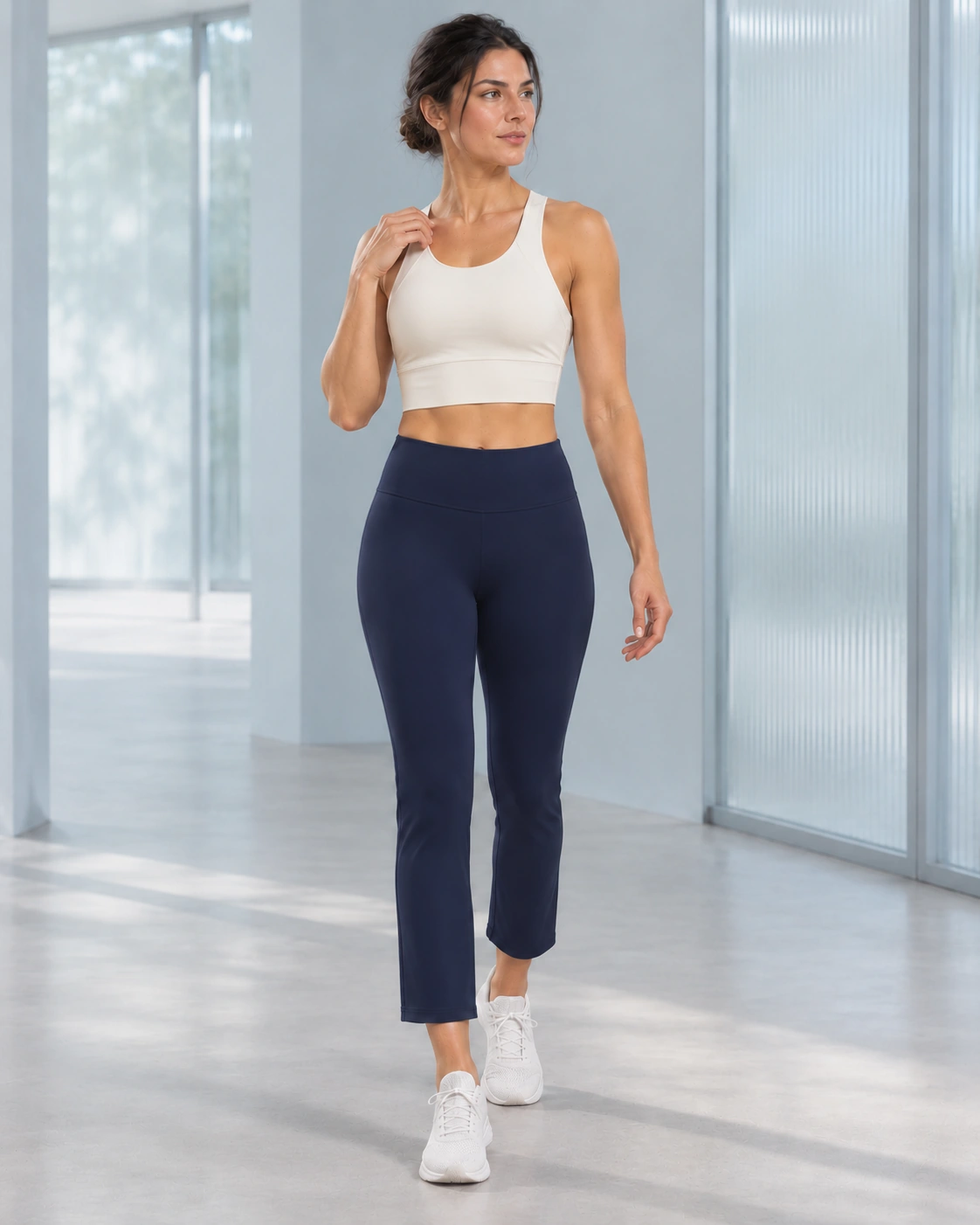
Pantalones de yoga ↗
JYMA052 · Referencia del catálogo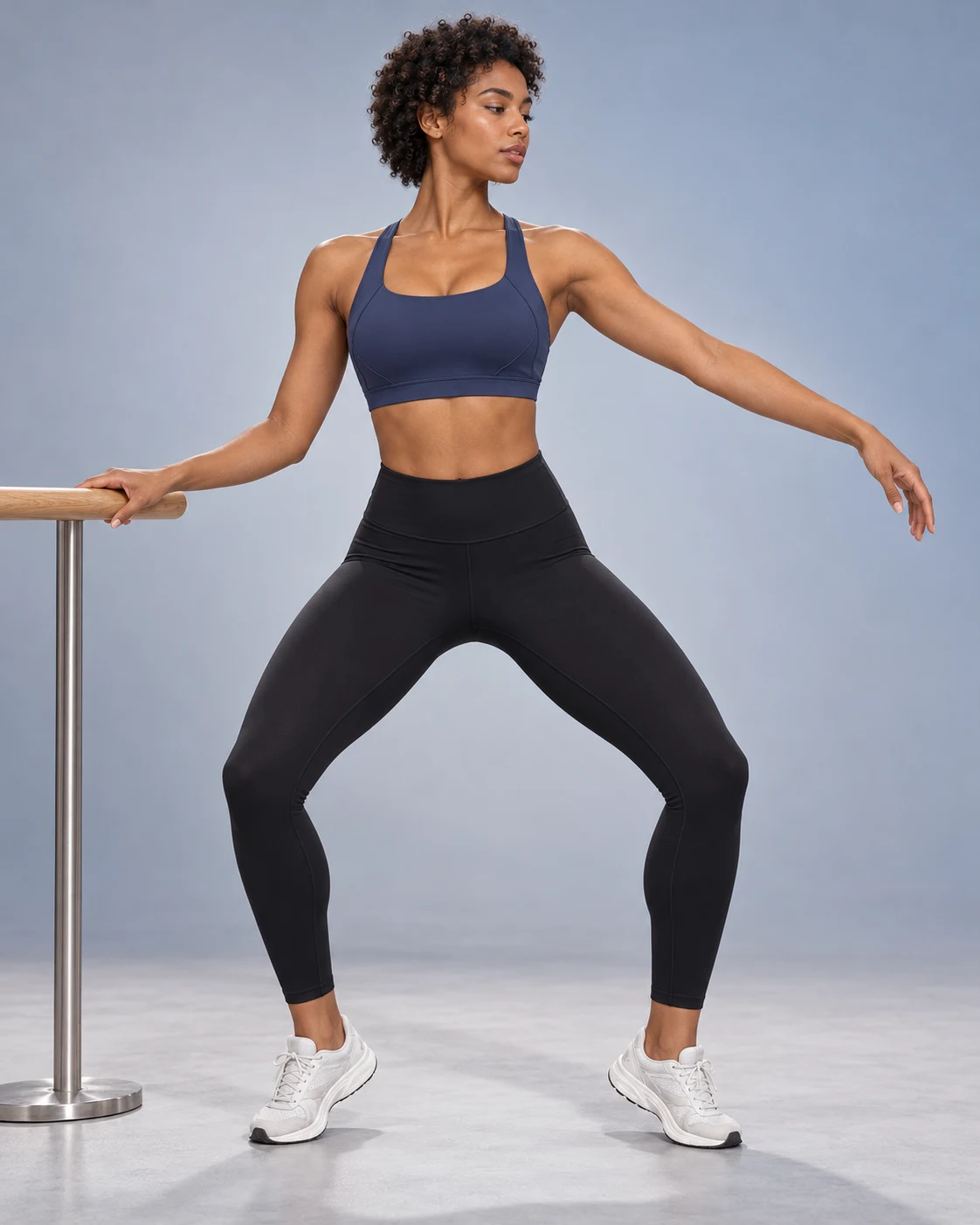
Sujetadores deportivos ↗
JYJN050 · Referencia del catálogo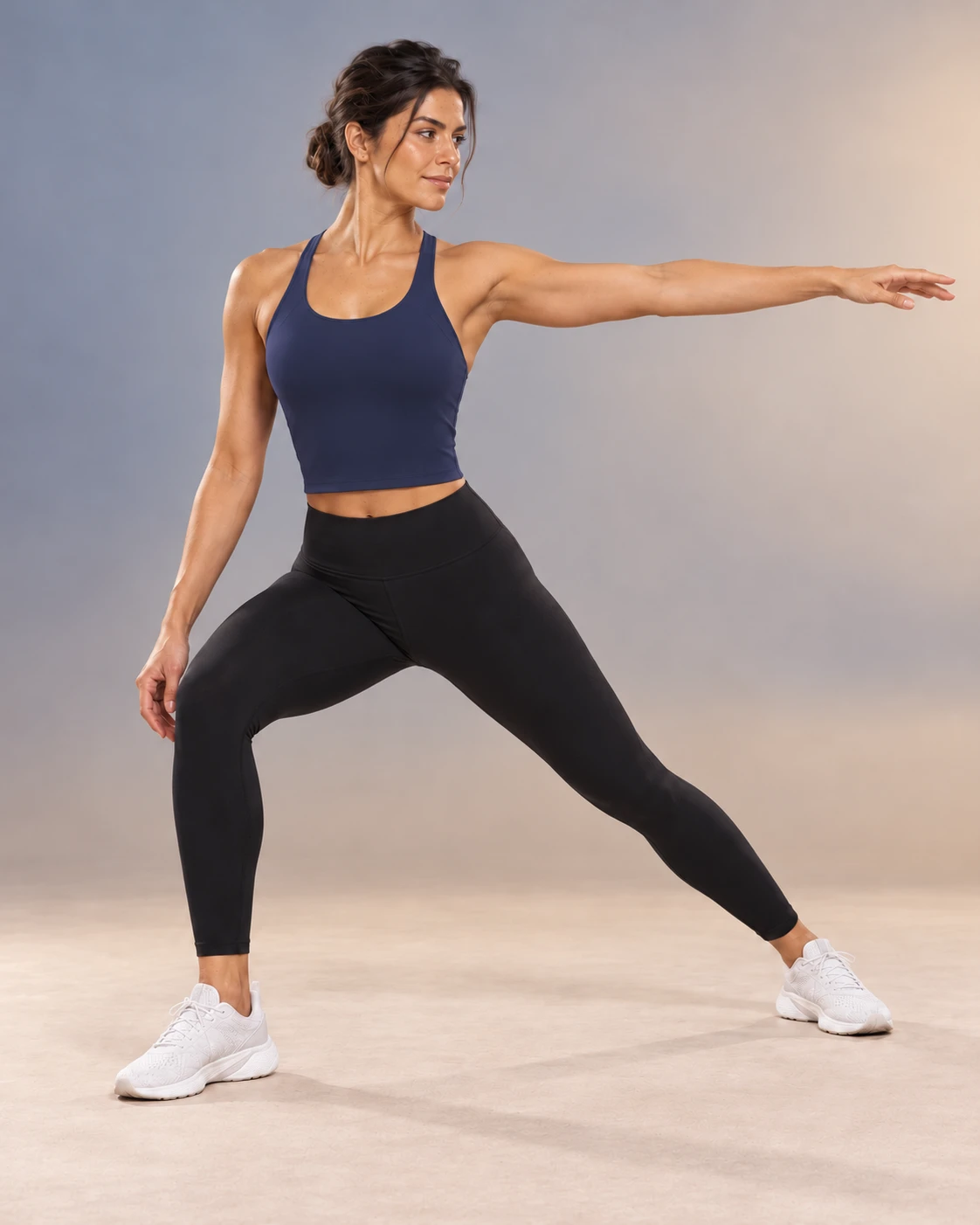
Tops con soporte integrado ↗
JYJB022 · Referencia del catálogo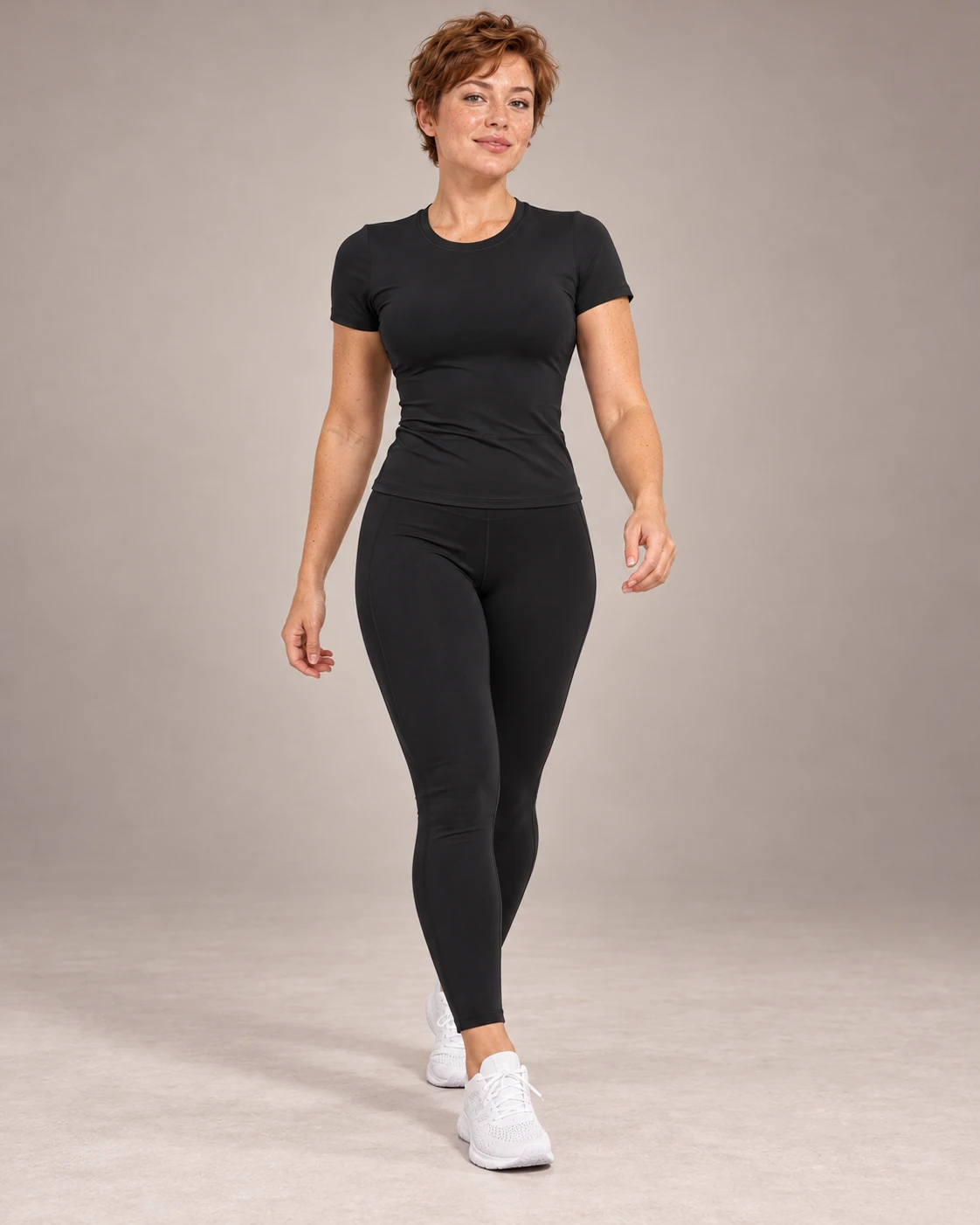
Camisetas y manga larga ↗
JYJD017 · Referencia del catálogo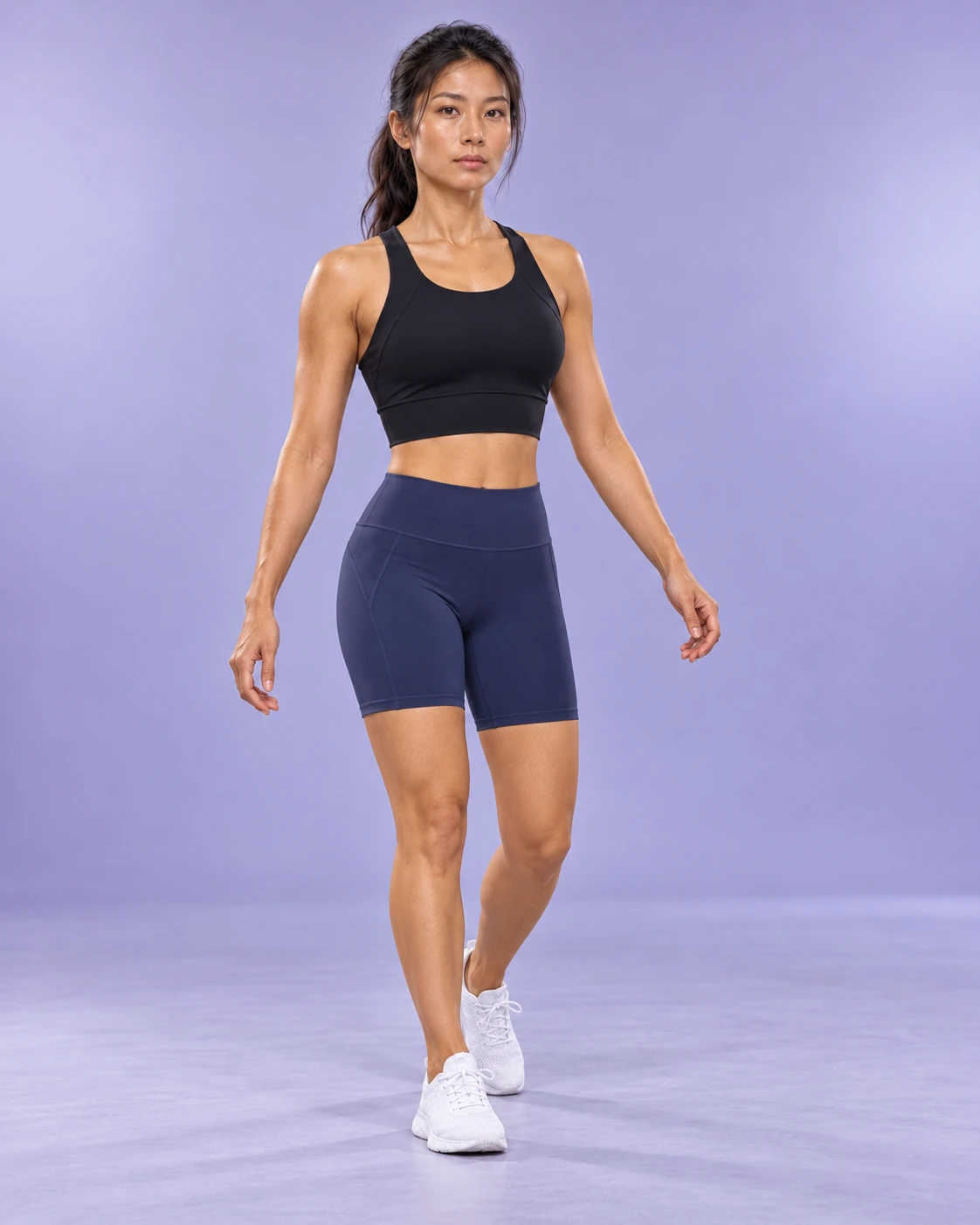
Pantalones cortos ↗
JYJA009 · Referencia del catálogo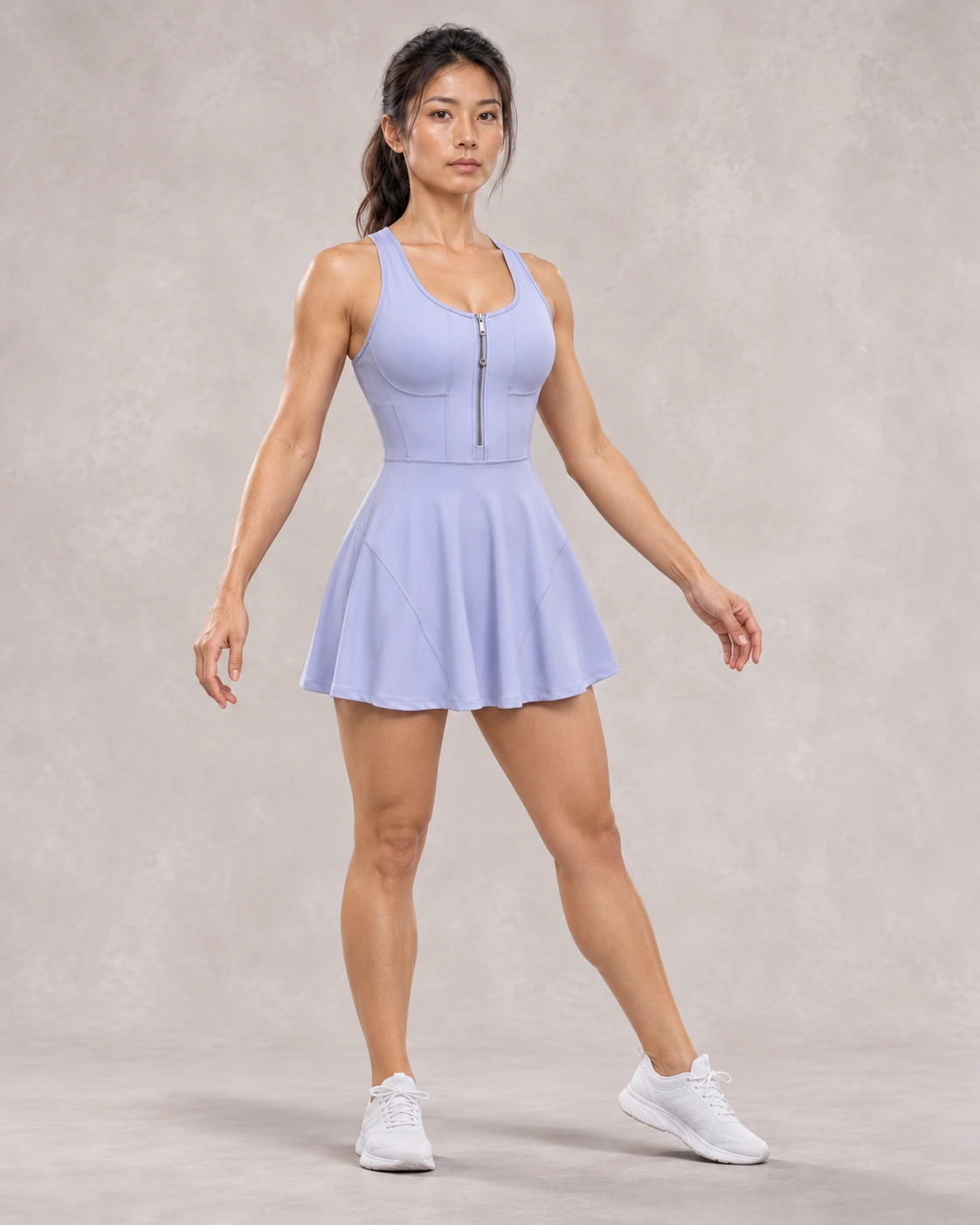
Vestidos deportivos ↗
JYMQ041 · Referencia del catálogo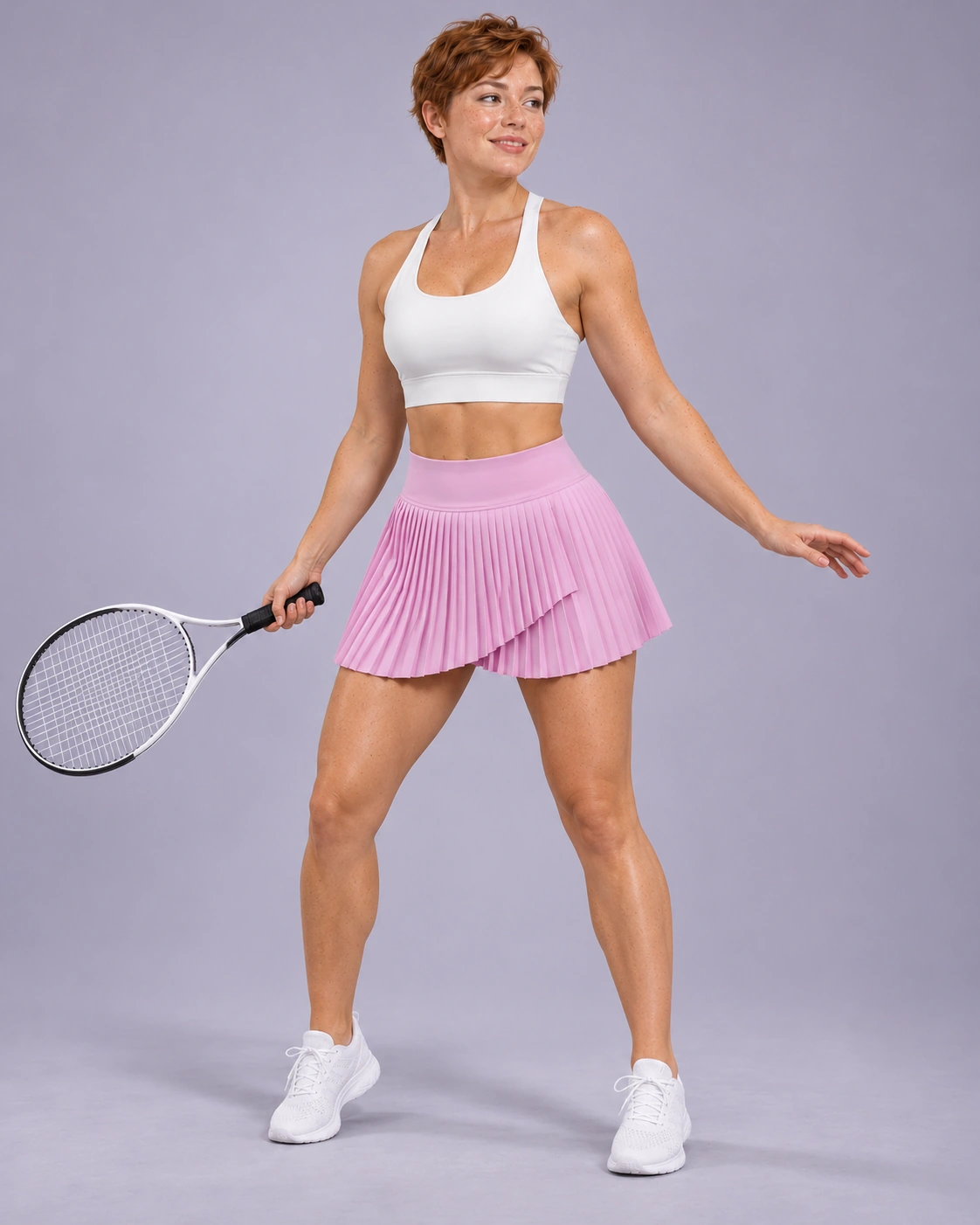
Faldas y faldas pantalón ↗
JYMQ068 · Referencia del catálogo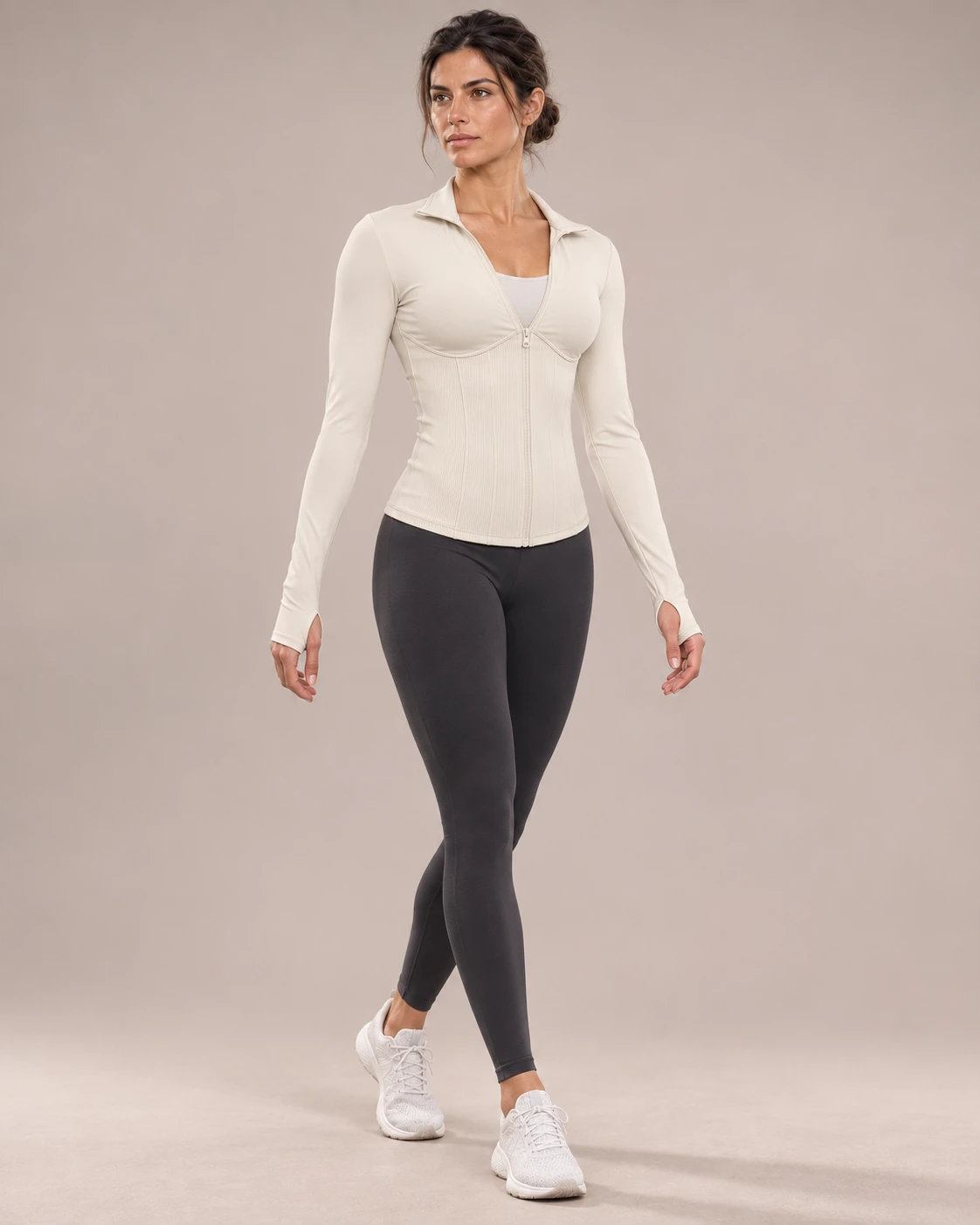
Chaquetas y capas ↗
JYJW025 · Referencia del catálogo12 / WORKING WITH US
Bring the idea. Keep the decisions connected.
- Share Your Requirements
- Select a Product or Development Direction
- Confirm Fabric, Colour and Size Information
- Review Branding and Packaging
- Develop or Approve the Sample
- Confirm Order Specifications
- Coordinate Production and Quality Requirements
- Arrange Packing and Shipment
Your buyer preparation checklist
Product category, product code or reference, target market, required sizes, colour plan, estimated quantity, service required, logo file, labels, packaging and target timeline.
Size availability and grading are confirmed by product. Review the approved size chart for each style before placing an order. Catalogue size labels do not establish US, EU or UK size equivalence.
Discuss your order requirements ↗13 / BEFORE YOU BEGIN
A few useful answers.
What is the MOQ for catalogue styles?
MOQ starts from 100 pieces. Final minimums depend on style, fabric, colour allocation and customization requirements.
Mixed styles, colours and sizes require project-specific confirmation.
View this answer ↗What is the MOQ for OEM and ODM activewear?
Custom development typically starts from 100+ pieces. The applicable minimum is confirmed against the design, materials, colours and production scope.
MOQ starts from 100 pieces. Final minimums depend on style, fabric, colour allocation and customization requirements.
View this answer ↗What light customization options are available?
Light customization for selected in-stock styles starts from 100 pieces. Options may include care or wash-care label replacement, hangtag removal or customization, printed or heat-transferred logos, customized packing methods and packaging replacement.
Confirm the selected garment, application method, artwork, label wording and packaging before approval. A digital logo mockup does not establish production compatibility or wash durability. Stock availability and any separate process requirements must be checked for the actual order.
View this answer ↗Can I use a reference sample for development?
A reference garment can communicate silhouette and construction when you own the sample and have the necessary rights to use the design information. It should be accompanied by a brief explaining what to retain and what to change.
Identify measurements, materials and features that cannot be reliably established from appearance. Do not request the reproduction of another brand's protected marks or assume ownership of a physical sample grants rights to its design. Agree how the new specification and sample will document the proposed product.
View this answer ↗What is the MOQ for custom fabric or custom colour?
Custom-dyed or specially developed fabric starts from one fabric dye lot, approximately 500 kg, subject to the fabric mill, composition, construction, colour and finishing requirements. This is a fabric minimum, not a fixed number of garments.
Actual garment yield depends on product category, sizes, fabric width, marker layout and loss. Approve a physical colour reference and the required fabric specification; do not convert the fabric minimum into a guaranteed garment quantity. Individual materials may have different final requirements.
View this answer ↗How is the final order minimum confirmed?
MOQ starts from 100 pieces. Final minimums depend on style, fabric, colour allocation and customization requirements.
Mixed styles, colours and sizes require project-specific confirmation.
View this answer ↗Can I review size charts before ordering?
Request the style-specific measurement chart before approving fit or quantities. Catalogue size labels describe available reference sizes; they do not replace a finished-garment measurement table with defined measurement positions and tolerances.
Check whether the document gives body measurements or garment dimensions, which units it uses, and which sample version it controls. Review any custom grading separately. A model's measurements can help explain an image but cannot establish the product's size chart or guarantee fit for another person.
View this answer ↗How do I request a quotation?
Prepare a product-specific brief with the selected SKUs, colour and size quantities, destination and requested customization. The website's project and quote tools organize that information into a local draft; this preview does not send it to a sales inbox.
Copy or download the draft and retain its version for the quotation discussion once a verified contact channel is provided. A quotation should identify the exact scope and exclusions. The planner does not calculate a binding price, reserve inventory or confirm an order.
View this answer ↗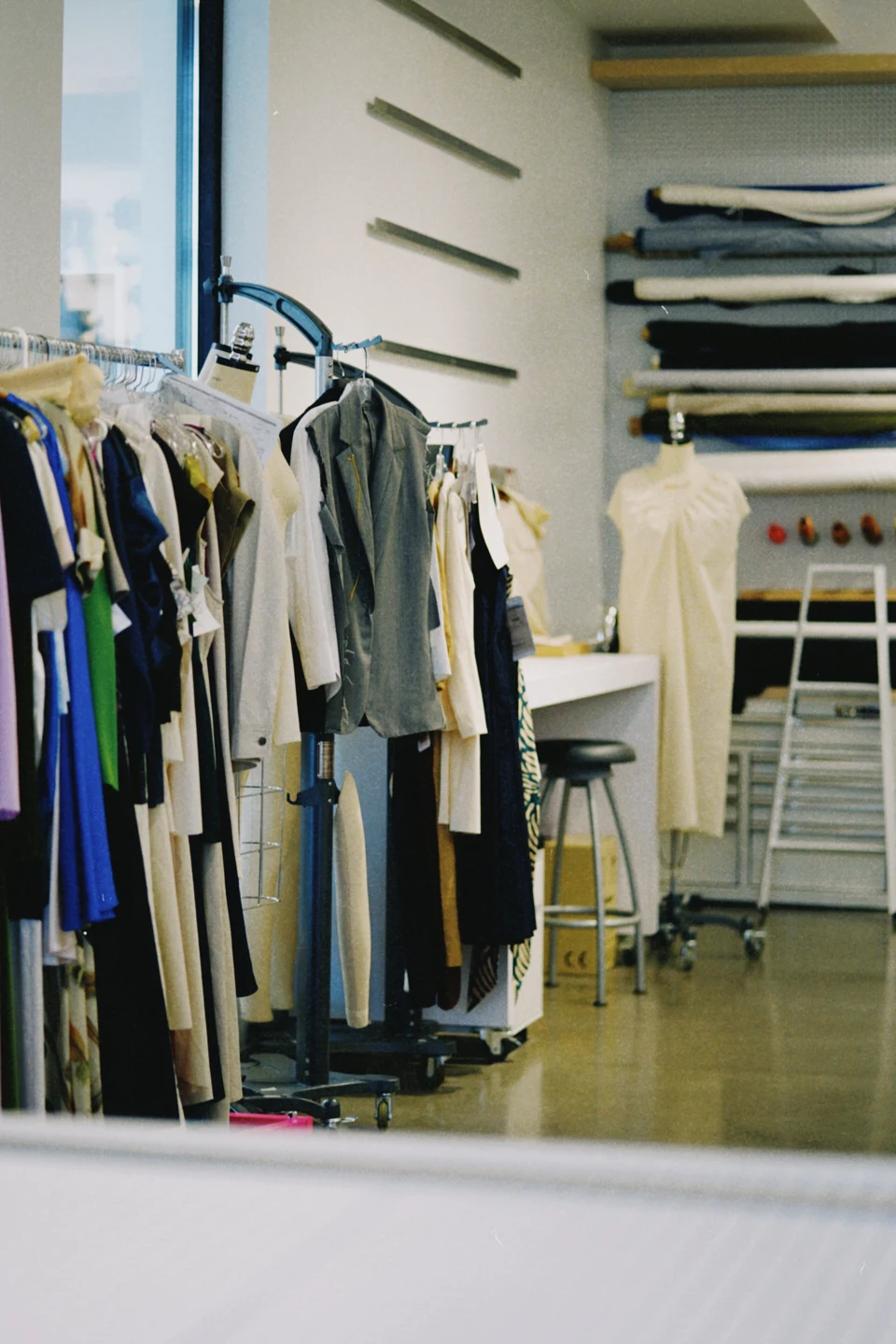
YOUR NEXT COLLECTION
Ready to develop your next activewear collection?
Share your product direction, target market, estimated quantity and customization requirements. We will review the information and identify the next practical step.